
Transforming your property through building renovation work is one of the most significant investments you'll make. Whether you're updating a family home in the Okanagan, refreshing a commercial space in Sicamous, or modernizing a lakefront property in the Shuswap, understanding the renovation process ensures your project runs smoothly and delivers the results you envision. With construction costs and material prices constantly evolving in 2026, making informed decisions has never been more critical. This comprehensive guide walks you through everything you need to know about planning, executing, and completing successful building renovation work.
Understanding the Scope of Building Renovation Work
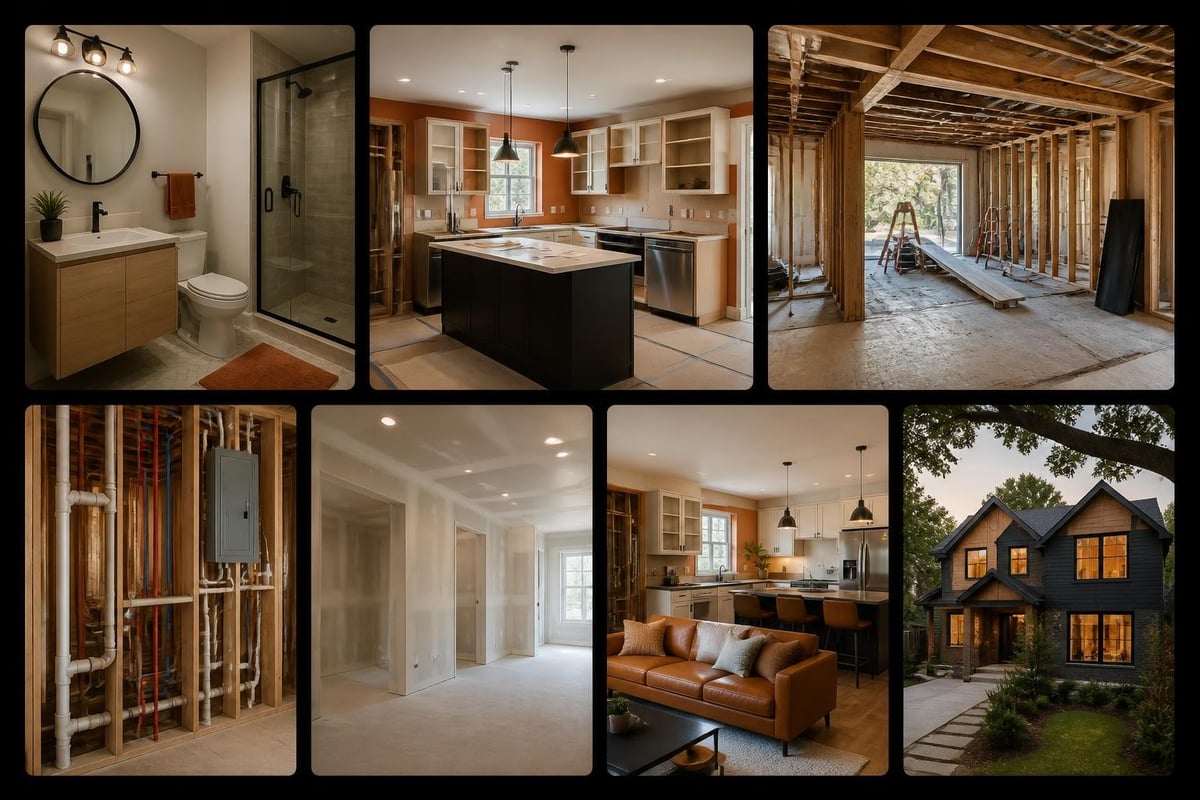
Building renovation work encompasses far more than cosmetic updates. It's a comprehensive process that can transform outdated structures into modern, functional spaces tailored to your specific needs.
The scope of renovation projects varies dramatically based on your goals. Some homeowners focus on single-room makeovers like kitchen remodels or bathroom updates, while others tackle whole-house transformations. Commercial property owners might renovate storefronts, office layouts, or entire building systems.
Common renovation categories include:
- Structural modifications (walls, foundations, roofing)
- Mechanical system upgrades (HVAC, plumbing, electrical)
- Interior finish work (flooring, cabinetry, fixtures)
- Exterior improvements (siding, windows, landscaping)
- Energy efficiency enhancements (insulation, windows, solar)
Setting Realistic Project Goals
Before diving into building renovation work, clearly define what you want to achieve. Are you improving functionality, increasing property value, enhancing energy efficiency, or all three? Your goals directly influence your budget, timeline, and contractor selection.
In the Okanagan region, many homeowners prioritize energy efficiency due to temperature extremes. Energy-efficient renovation strategies can significantly reduce heating and cooling costs while improving comfort year-round.
Consider how long you plan to stay in your property. If you're renovating a forever home, invest in features you'll enjoy daily. For properties you'll sell within five years, focus on updates that maximize resale value without over-improving for your neighborhood.
Planning Your Building Renovation Work
Successful building renovation work starts with thorough planning. Rushing into demolition without proper preparation leads to budget overruns, timeline delays, and disappointing results.
Creating a Comprehensive Budget
Your budget shapes every decision in your renovation journey. Start by researching costs for your specific project type in the Okanagan area, as material and labor prices vary regionally.
| Budget Category | Typical Percentage | Example ($100K Project) |
|---|---|---|
| Labor & Contractors | 40-50% | $40,000-$50,000 |
| Materials | 30-40% | $30,000-$40,000 |
| Design & Permits | 5-10% | $5,000-$10,000 |
| Contingency | 10-20% | $10,000-$20,000 |
Always include a contingency fund. Building renovation work frequently uncovers hidden issues like outdated wiring, water damage, or structural concerns that weren't visible during initial inspections. Experienced contractors in Sicamous and the Shuswap recommend setting aside 15-20% of your total budget for unexpected challenges.
Selecting the Right Contractor
Your contractor choice makes or breaks your renovation experience. In rural and lake-access areas around the Okanagan, finding contractors familiar with regional building codes and environmental considerations is essential.
When interviewing potential contractors, ask specific questions about their experience with projects similar to yours. Request references from recent clients and visit completed projects if possible.
Key contractor selection criteria:
- Valid licenses and comprehensive insurance
- Proven experience with your project type
- Clear communication and responsiveness
- Detailed written estimates and contracts
- Strong references from recent clients
- Knowledge of local building codes
A free consultation with qualified contractors helps you understand realistic timelines, costs, and potential challenges specific to your property.
Executing Building Renovation Work Effectively
Once planning is complete, the execution phase begins. This stage tests your patience, but proper management keeps projects on track.
Establishing Clear Timelines
Building renovation work timelines depend on project complexity, weather conditions, material availability, and contractor schedules. In the Okanagan, winter weather can delay exterior work, while summer is peak season for contractors.
A typical kitchen renovation takes 6-12 weeks from demolition to completion. Whole-house renovations often require 3-6 months. Commercial projects vary even more widely based on size and operational requirements.
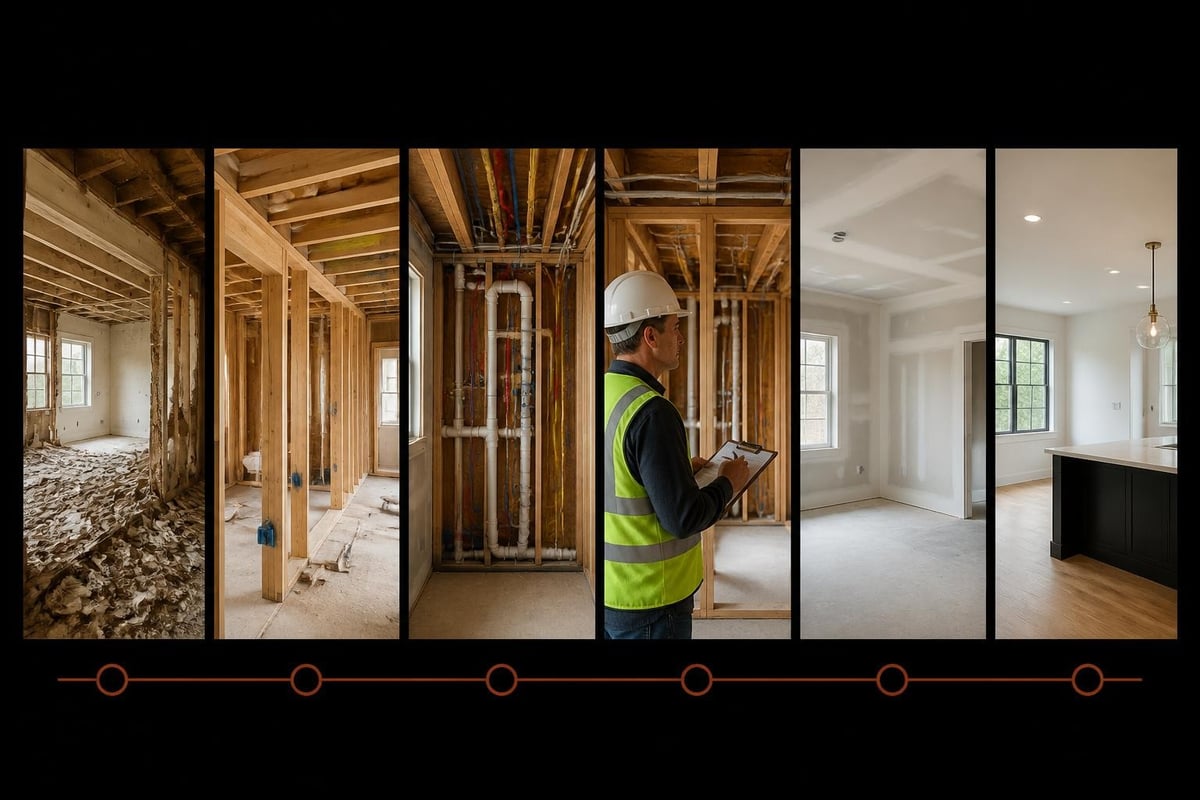
Break your timeline into phases with specific milestones. This approach helps you track progress and identify delays early. Weekly check-ins with your contractor maintain momentum and address concerns before they become major problems.
Managing Indoor Air Quality During Renovations
Building renovation work generates dust, fumes, and airborne particles that can affect your health and comfort. Maintaining indoor air quality during renovations requires proactive measures, especially if you're living in the space during construction.
Create physical barriers between work zones and living areas using plastic sheeting and temporary walls. Ensure proper ventilation by opening windows when weather permits and using air scrubbers or HVAC filters designed for construction environments.
If you're renovating while occupying the space, establish daily cleanup protocols with your contractor. Dust containment isn't just about comfort; it's about protecting your family's respiratory health throughout the project.
Navigating Building Codes and Permits
Understanding regulatory requirements prevents costly mistakes and ensures your building renovation work meets safety standards.
Permit Requirements in Your Region
Most building renovation work requires permits, though requirements vary by location and project scope. In the Okanagan, Sicamous, and Shuswap regions, local building departments review plans to ensure compliance with British Columbia building codes.
Projects typically requiring permits:
- Structural modifications (removing walls, adding windows)
- Electrical system upgrades or additions
- Plumbing changes or new bathroom installations
- HVAC system replacements or modifications
- Major exterior alterations
- Deck or addition construction
Working without required permits creates serious problems. Unpermitted work must often be redone to code, insurance claims may be denied, and property sales can fall through when undisclosed work is discovered during inspections.
Your contractor should handle permit applications and inspections as part of their services. This ensures all work meets current codes and passes required inspections at appropriate project stages.
Preserving Historical Elements
If you're renovating a heritage property or older building with historical significance, special considerations apply. The guidelines for rehabilitating historic buildings emphasize preserving character-defining features while accommodating modern needs.
Balancing preservation with functionality requires expertise. Some original materials can be restored rather than replaced, maintaining historical integrity while improving performance. Work with contractors experienced in heritage renovations to identify which elements deserve preservation and which require updating for safety and efficiency.
Sustainable Practices in Building Renovation Work
Modern building renovation work increasingly focuses on sustainability and environmental responsibility. These practices benefit both the planet and your long-term operating costs.
Waste Reduction and Material Recycling
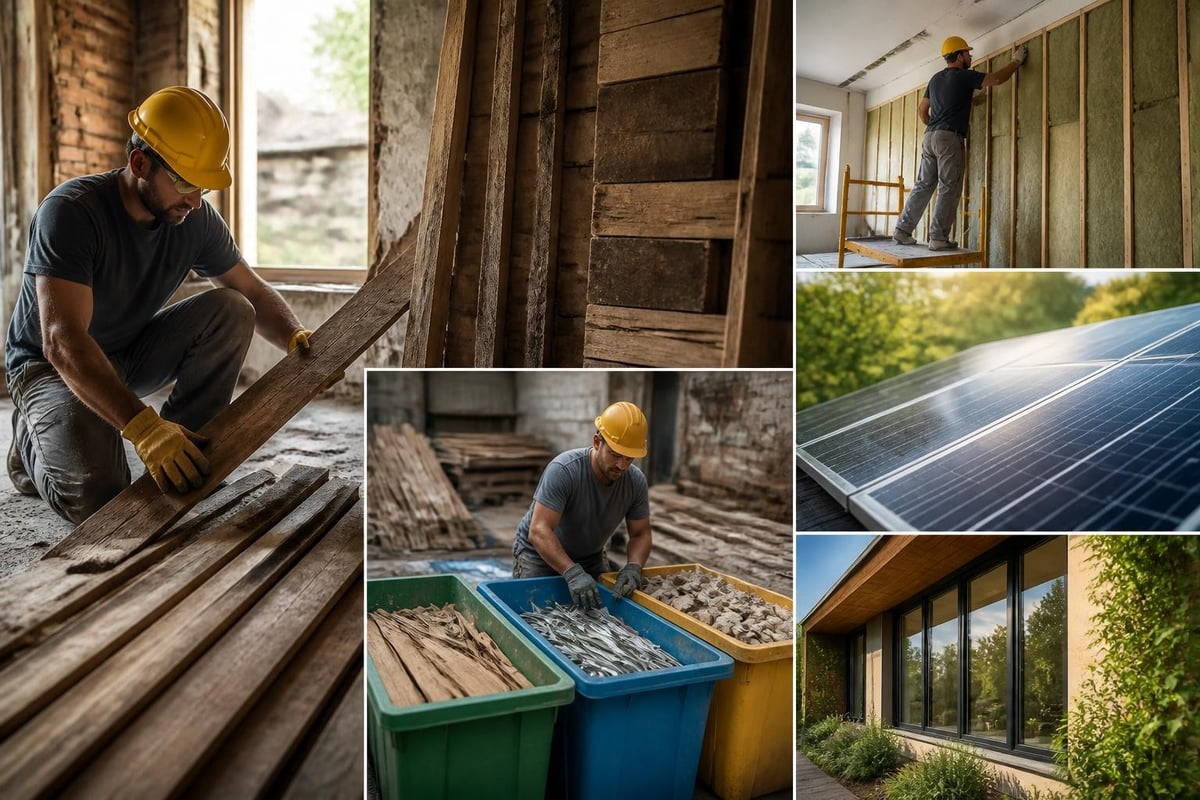
Construction waste fills landfills unnecessarily when materials could be reused or recycled. Best practices for reducing renovation waste include careful demolition, material salvage, and partnering with recycling facilities.
Before demolition begins, identify materials worth salvaging. Hardwood flooring, vintage fixtures, quality cabinetry, and architectural details often find new life in other projects or through resale. Donate usable materials to organizations like Habitat for Humanity ReStores, supporting community programs while reducing waste.
| Material Type | Recycling/Reuse Options | Environmental Benefit |
|---|---|---|
| Wood | Reclaimed lumber, mulch, biomass | Reduces landfill waste, saves trees |
| Metal | Scrap recycling, artistic reuse | Highly recyclable, valuable commodity |
| Concrete | Crushed aggregate, fill material | Reduces mining impact, landfill diversion |
| Drywall | Soil amendment, new drywall | Prevents gypsum contamination |
Energy Efficiency Improvements
Integrating energy-efficient features during building renovation work delivers immediate and long-term value. Modern insulation, high-performance windows, and efficient HVAC systems reduce utility bills while improving comfort.
In the Okanagan climate, where summers reach above 30°C and winters dip below freezing, proper insulation is critical. Upgrading to R-value ratings appropriate for your region pays dividends through reduced heating and cooling costs.
High-impact energy efficiency upgrades:
- Air sealing to eliminate drafts and thermal loss
- Upgraded insulation in walls, attics, and crawl spaces
- Energy-efficient windows with low-E coatings
- High-efficiency HVAC systems with programmable controls
- LED lighting throughout the property
- Smart home technology for energy monitoring
These improvements often qualify for energy efficiency rebates and tax incentives, offsetting initial investment costs while delivering ongoing savings.
Interior vs. Exterior Building Renovation Work
Both interior and exterior renovations transform properties, but they involve different considerations, challenges, and timelines.
Interior Renovation Priorities
Interior renovation projects focus on functionality, aesthetics, and spatial optimization. Kitchens and bathrooms deliver the highest return on investment, while flooring and paint updates refresh entire homes affordably.
When planning interior building renovation work, consider how rooms connect and flow. Open-concept layouts remain popular in 2026, but they're not ideal for every home or lifestyle. Think about your daily routines, entertaining patterns, and future needs before removing walls or reconfiguring spaces.
Material selection dramatically impacts both appearance and durability. In high-traffic areas like entryways and kitchens, prioritize durable materials that withstand daily wear. In bedrooms and quiet spaces, focus more on comfort and aesthetics.
Storage solutions deserve special attention during interior renovations. Custom cabinetry, built-in shelving, and clever organizational systems maximize usable space while reducing clutter. These features particularly appeal to buyers if you eventually sell.
Exterior Renovation Considerations
Exterior building renovation work faces additional challenges including weather dependence, neighborhood aesthetics, and long-term durability requirements.
Curb appeal drives property value, making exterior updates a smart investment. However, choose improvements that complement your neighborhood rather than standing out dramatically. The best exterior renovations enhance your property while fitting harmoniously within the surrounding context.
Weather resistance is non-negotiable for exterior materials. In the Okanagan region, materials must withstand temperature swings, UV exposure, occasional heavy snow, and summer heat. Quality siding, roofing, and trim materials cost more initially but deliver superior longevity and lower maintenance.
Commercial Building Renovation Work
Commercial renovations present unique challenges beyond residential projects. Business operations, accessibility requirements, and specialized building codes require experienced contractors.
Minimizing Business Disruption
When renovating occupied commercial spaces, minimizing operational disruption becomes a top priority. Phased renovation schedules allow portions of your business to remain functional while work progresses.
Night and weekend work schedules reduce interference with business hours, though they may increase labor costs. For retail environments, completing exterior work during slower seasons protects customer experience and sales.
Clear communication with employees, customers, and tenants throughout the process maintains relationships and manages expectations. Signage explaining improvements and timelines shows consideration while building anticipation for the finished result.
Accessibility and Code Compliance
Commercial building renovation work must meet accessibility standards under the Americans with Disabilities Act (ADA) and local building codes. Even projects that don't trigger full accessibility upgrades benefit from universal design principles that accommodate all users.
Accessibility features include:
- Barrier-free entrances and pathways
- Appropriate door widths and hardware
- Accessible restrooms and fixtures
- Proper signage and wayfinding
- Adequate lighting and contrast
Working with contractors experienced in commercial projects ensures compliance while creating welcoming environments for all customers and employees.
Managing Costs and Preventing Budget Overruns
Building renovation work frequently exceeds initial budgets, but strategic planning minimizes financial surprises.
Value Engineering Strategies
Value engineering identifies opportunities to reduce costs without sacrificing quality or functionality. This approach evaluates each project element for necessity, alternative materials, and cost-effective implementation methods.
Sometimes spending more upfront saves money long-term. Quality materials and workmanship reduce maintenance costs and extend the lifespan of your renovation. Conversely, some expensive finishes can be substituted with more affordable alternatives that deliver similar aesthetics and performance.
Work with your contractor to identify where to invest and where to economize. Their experience reveals which corners can be cut safely and which investments prove worthwhile.
Tracking Expenses Throughout the Project
Maintain detailed records of all renovation expenses. Create a spreadsheet tracking budgeted amounts against actual costs for each category. This visibility helps you spot overruns early and adjust spending in other areas to stay within overall budget limits.
Request detailed invoices from contractors and suppliers showing labor hours, materials, and markup. Transparency in pricing builds trust and helps you understand where money goes.
Regular budget reviews with your contractor keep everyone aligned. If costs escalate beyond contingency reserves, discuss options for scope adjustments, material substitutions, or phased completion to control total investment.
Working with Specialized Renovation Services
Different aspects of building renovation work require specialized expertise. Understanding when to bring in specialists ensures quality results.
Painting and Drywall Excellence
Surface preparation and finishing separate mediocre renovations from exceptional ones. Professional painting and drywall services deliver the smooth, flawless surfaces that showcase your renovation investment.
Quality drywall installation, taping, and mudding create seamless walls and ceilings. Multiple coats, proper sanding, and attention to detail produce surfaces ready for premium paint finishes. This foundational work directly impacts how your space looks and feels.
Paint selection involves more than choosing colors. Different sheens serve different purposes, and quality paint covers better, lasts longer, and resists damage better than budget alternatives. Work with professionals who understand surface preparation, primer selection, and application techniques that deliver lasting beauty.
Structural and Systems Work
Foundation repairs, structural modifications, and building system upgrades require licensed specialists. These invisible improvements ensure safety and functionality, even though they don't generate the visual impact of finish work.
Never compromise on structural integrity or system performance to allocate more budget toward cosmetic features. A beautiful kitchen built on a failing foundation or serviced by inadequate electrical systems creates future problems far more expensive than doing things right initially.
Final Inspections and Project Completion
The final phase of building renovation work involves inspections, punch lists, and ensuring everything meets your expectations.
Municipal Inspections
For permitted work, final inspections confirm compliance with building codes. Inspectors verify that electrical, plumbing, structural, and other work meets safety standards. Your contractor schedules these inspections and addresses any deficiencies noted.
Don't make final payment until inspections pass and you receive approval certificates. These documents prove your renovation meets regulatory requirements, protecting your investment and preventing issues during future property transactions.
Creating Your Punch List
Walk through completed work with your contractor to identify any items needing correction or completion. This punch list documents minor issues like paint touch-ups, hardware adjustments, or cleaning requirements.
Common punch list items:
- Paint touch-ups and final caulking
- Hardware installation or adjustment
- Final cleaning and debris removal
- Appliance installation and testing
- Documentation and warranty information
- System operation demonstrations
Address punch list items promptly while your contractor's team is still mobilized. Once they move to their next project, scheduling return visits becomes more difficult.
Long-Term Maintenance After Building Renovation Work
Your newly renovated space requires proper maintenance to preserve its beauty and functionality for years to come.
Warranty Understanding and Registration
Review warranty information for all materials and systems installed during your renovation. Register products with manufacturers when required to activate coverage. Keep warranty documents organized for easy reference if issues arise.
Understand what each warranty covers and for how long. Some cover defects in materials, others include labor, and terms vary widely. Knowing your coverage helps you address problems appropriately without unnecessary expense.
Establishing Maintenance Routines
Different materials and systems require specific maintenance. Create a maintenance schedule covering:
- Seasonal HVAC system servicing
- Regular cleaning of specialized surfaces
- Caulk and sealant inspection and renewal
- Gutter cleaning and exterior drainage
- Appliance maintenance and filter changes
Preventive maintenance extends the life of your renovation and prevents small issues from becoming major problems. The contractor who completed your building renovation work can often recommend trusted maintenance professionals for ongoing care.
Building renovation work transforms properties into spaces that better serve your needs, increase value, and enhance daily life. From initial planning through final inspections, every decision shapes your project's success. Whether you're updating a single room or undertaking a complete transformation in the Okanagan, Sicamous, or Shuswap region, working with experienced professionals ensures quality results that stand the test of time. Talk to Kreeative Renovations & Design Co. about your next project and discover how three decades of expertise can bring your renovation vision to life with craftsmanship and care that shows in every detail.


