
There's something magical about walking through an old house in the Okanagan or Shuswap. The hand-carved woodwork, the solid construction, the stories embedded in every corner. These homes have character that new builds just can't replicate. But bringing them back to life? That takes expertise, patience, and a deep respect for what came before. Old house restoration isn't just renovation, it's about honoring history while creating a functional space for modern living. Whether you've purchased a century-old farmhouse in Sicamous or inherited a heritage property in Vernon, understanding the restoration process helps you make informed decisions that preserve your home's soul.
Understanding What Makes Old House Restoration Different
Old house restoration goes beyond typical renovations. You're not just updating, you're preserving architectural heritage while solving decades of wear and hidden problems.
The fundamental difference lies in your approach. Modern renovations often involve tearing out and replacing. Restoration requires careful evaluation of what can be saved, repaired, or authentically replicated. That ornate plaster medallion? It deserves repair, not replacement with foam. Those original fir floors? They need refinishing, not covering.
The Philosophy Behind Preservation
Working with historic properties means respecting The Secretary of the Interior’s Standards for Rehabilitation, which provide essential guidelines for maintaining historic integrity. These principles balance preservation with practical modern needs.
Key restoration principles include:
- Preserve original materials whenever possible
- Repair rather than replace historic features
- Match new work to existing design and materials
- Ensure changes are reversible when feasible
- Document your work for future generations
In the Okanagan, we see incredible variety in historic homes. From early 1900s Craftsman bungalows to mid-century ranchers, each era has distinct characteristics worth preserving. Understanding your home's architectural style guides restoration decisions and helps maintain authenticity.
Assessing Your Old House Before Starting
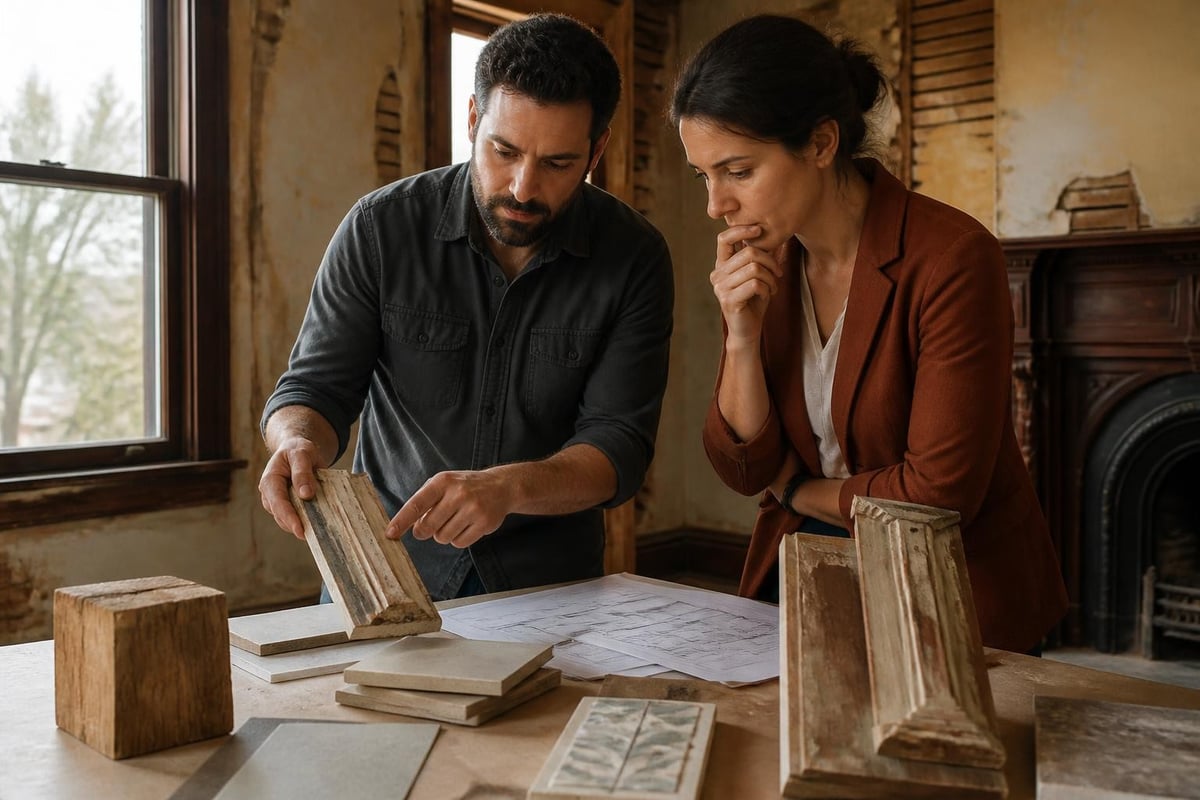
Before any work begins, comprehensive assessment prevents costly surprises. Old homes hide problems behind charm, and understanding structural conditions shapes your entire project scope.
Start with a thorough inspection by professionals experienced with older construction methods. They'll identify issues modern home inspectors might miss, like outdated knob-and-tube wiring, deteriorating plaster keys, or settling foundations common in Okanagan valley properties.
| Assessment Area | What to Check | Why It Matters |
|---|---|---|
| Foundation | Cracks, settling, moisture | Structural stability affects everything |
| Framing | Sagging, rot, insect damage | Determines structural repairs needed |
| Roof | Age, condition, proper ventilation | Prevents water damage to restored interiors |
| Systems | Electrical, plumbing, HVAC capacity | Safety and code compliance requirements |
| Envelope | Windows, doors, insulation gaps | Energy efficiency without losing character |
Many Sicamous and Shuswap homes face unique moisture challenges from lake proximity. Proper maintenance strategies prevent water damage that compromises both structure and historic features.
Documentation Creates Your Roadmap
Photograph everything before starting work. Document architectural details, construction methods, and existing conditions. This record becomes invaluable for matching materials, understanding original intent, and making informed restoration choices.
Create a prioritized project list. Structural issues come first, followed by envelope improvements, then cosmetic restoration. This sequencing prevents having to undo finished work to address underlying problems.
Tackling Common Structural Challenges
Old house restoration reveals problems modern homes rarely face. Addressing structural issues properly ensures your restoration lasts another century.
Foundation problems top the list in many Okanagan heritage properties. Settling, inadequate footings, or deteriorating masonry require expert evaluation. Structural system assessment and repair provides detailed guidance on approaching these critical issues safely.
Common structural challenges include:
- Floor sagging from undersized joists or beam failure
- Wall movement from inadequate bracing or foundation issues
- Roof structure stress from snow loads or improper modifications
- Moisture damage to framing members from roof or plumbing leaks
- Termite or carpenter ant damage in sill plates and floor joists
Rural properties in the Shuswap often have additions built by previous owners without proper engineering. Integrating these spaces while ensuring code compliance requires experienced contractors who understand both old construction methods and current requirements.
When sister joists, add support posts, or reinforce beams, use techniques that preserve original materials visible from living spaces. Hidden structural work can use modern methods, but exposed elements should maintain historic appearance.
Preserving Original Windows and Doors
Nothing defines an old home's character like original windows and doors. These elements deserve special attention during restoration, as replacements rarely match the quality or authenticity of originals.
Modern vinyl windows in a heritage home look exactly like what they are: wrong. Historic windows, properly restored, perform better than many homeowners expect and maintain irreplaceable character. Window repair and maintenance guidance demonstrates effective preservation techniques.
Why Original Windows Matter
Old-growth wood windows have tight grain and exceptional durability. With proper restoration, including reglazing, weatherstripping, and adding storm windows, they provide reasonable energy efficiency while preserving historic appearance.
The restoration process involves:
- Carefully removing sashes without damaging frames
- Stripping old paint to bare wood using safe methods
- Repairing damaged wood or replacing small sections
- Reglazing with proper putty and period-appropriate glass
- Applying quality primer and historically accurate paint colors
- Installing weatherstripping for improved performance
Original doors follow similar preservation principles. Solid wood doors with intricate paneling, vintage hardware, and substantial construction can't be matched by modern hollow-core replacements. Repair, refinish, and upgrade weatherstripping rather than replacing these irreplaceable features.
Restoring Historic Woodwork and Trim
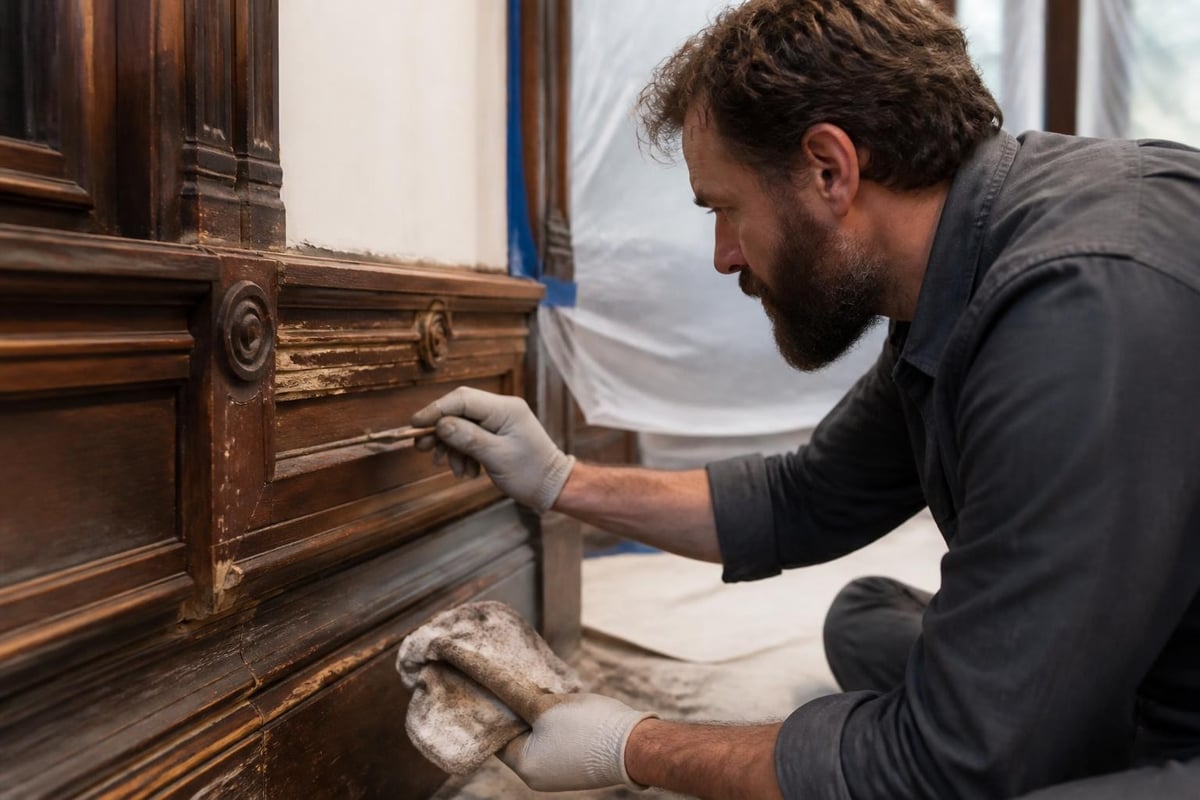
The craftsmanship in old home woodwork astounds modern eyes. Crown molding, baseboards, door casings, and built-in cabinetry showcase skills rarely seen in new construction.
Woodwork preservation and repair techniques provide comprehensive approaches for maintaining these features. The key lies in gentle restoration that preserves original material while addressing damage.
Many Okanagan heritage homes feature stunning Douglas fir or cedar millwork with rich patina developed over decades. Stripping this finish completely removes character that can't be recreated. Instead, clean carefully, repair damage with matching wood, and refinish minimally to preserve age and authenticity.
Woodwork restoration steps:
- Clean with appropriate gentle solvents
- Fill small holes and cracks with matching wood filler
- Splice in new wood for damaged sections using traditional joinery
- Sand minimally to preserve aged surface character
- Apply period-appropriate finishes matching original intent
- Polish or wax rather than polyurethane for authentic appearance
When working on interior renovation projects, protecting existing woodwork during other work prevents damage that requires costly repair. Careful covering, gentle handling, and awareness of fragility save irreplaceable details.
Addressing Plaster Walls and Historic Finishes
Plaster walls and decorative finishes distinguish old homes from modern drywall construction. These surfaces require specialized knowledge for proper restoration.
Three-coat plaster over wood lath creates solid, durable walls superior to drywall in sound dampening and fire resistance. But plaster fails when lath detaches, moisture infiltrates, or settling cracks the surface.
Repairing Versus Replacing Plaster
Small cracks and holes repair easily with setting-type joint compound. Larger damage requires assessing whether lath remains sound and plaster keys (the plaster squeezed through lath that holds everything together) still grip adequately.
For damaged sections, you have options:
| Repair Method | When to Use | Considerations |
|---|---|---|
| Patch repair | Small areas under 1 square foot | Blends well when done skillfully |
| Replastering | Failed sections with sound lath | Maintains original wall composition |
| Drywall backing | Large areas with failed lath | Easier but changes wall depth slightly |
| Complete removal | Entire walls beyond repair | Last resort; loses historic fabric |
Historic interior finishes guidance explores preservation options for decorative painting, wallpaper, and specialty plaster treatments common in early 20th century homes.
Okanagan renovations often reveal multiple wallpaper layers hiding decorative paint treatments. Careful investigation before covering or removing these finishes sometimes discovers beautiful details worth preserving or reproducing.
Updating Systems While Preserving Character
Modern electrical, plumbing, and HVAC systems make old houses livable by today's standards. The challenge lies in installing necessary upgrades without destroying historic fabric.
Old house restoration requires creative problem-solving. Running wiring through walls without cutting into every stud bay, adding ductwork without eliminating architectural details, updating plumbing while preserving original fixtures, all demand experienced contractors familiar with older homes.
Electrical System Upgrades
Many heritage homes still have knob-and-tube wiring or early cloth-wrapped wiring. Both present safety concerns and insurance complications. Updating electrical systems properly addresses safety while minimizing damage to historic materials.
Strategic planning reduces invasive work. Running new circuits through basements, attics, and closets preserves finished surfaces in main living areas. Where wall fishing becomes necessary, careful patching and painting techniques restore walls to seamless condition.
Modern system integration strategies include:
- Use existing mechanical chases and hidden spaces for new routing
- Install mini-split HVAC systems requiring minimal wall penetrations
- Choose low-profile fixtures matching historic styles
- Plan fixture locations around preserving architectural details
- Document all work for future reference
For Sicamous contractor projects near lakes, addressing moisture in crawl spaces and basements protects both new systems and historic materials from humidity damage common in waterfront properties.
Exterior Restoration: Roofing, Siding, and Paint
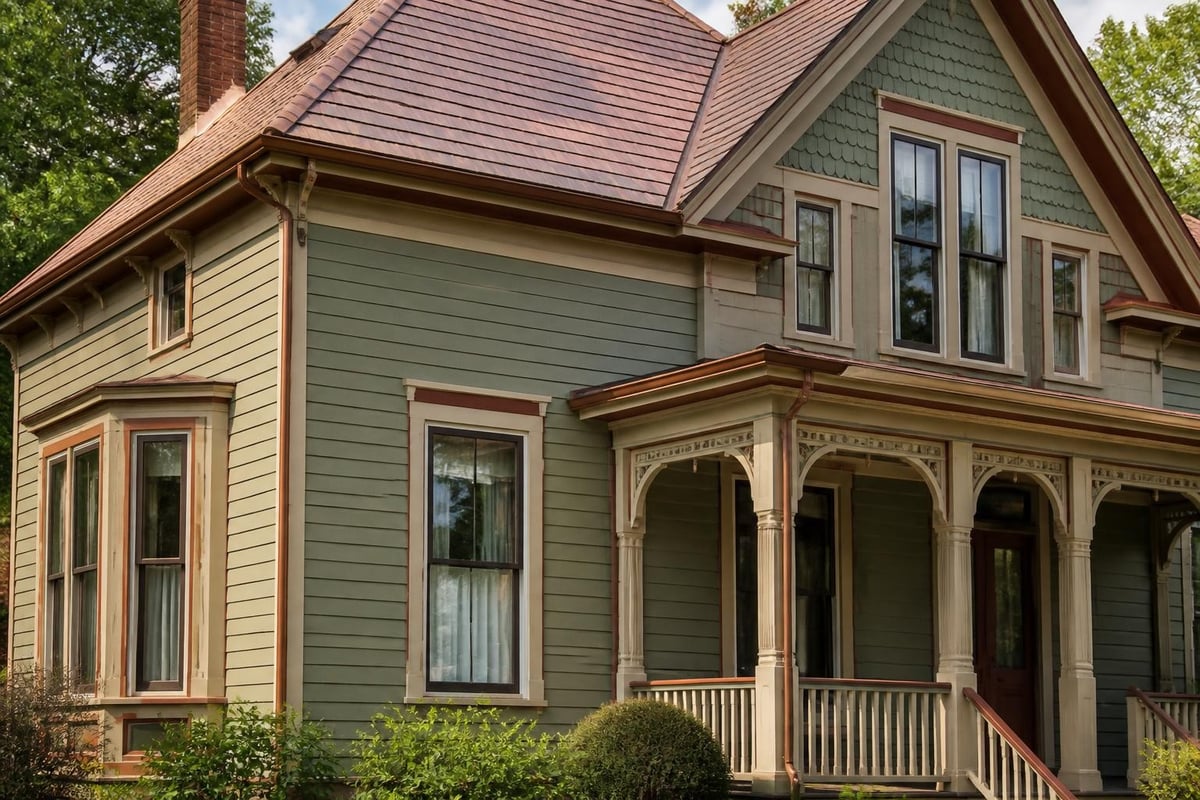
Your home's exterior protects everything inside while defining street presence and curb appeal. Exterior restoration balances weather protection with historic appearance.
Historic roofing preservation details approaches for various roofing materials from wood shingles to slate and metal. Many Okanagan heritage homes feature cedar shakes that, while beautiful, require maintenance or eventual replacement.
When original roofing reaches end-of-life, choose replacements matching appearance and profile. Architectural asphalt shingles can mimic wood shake appearance. Metal roofing replicates standing seam or shingle patterns from earlier eras.
Siding and Trim Preservation
Original siding tells your home's story. Whether horizontal lap siding, board-and-batten, or decorative shingles, preserving these materials maintains authenticity.
Deteriorated sections often need replacement. Source matching materials through architectural salvage or specialty suppliers who mill period profiles. Mixing repaired original material with sympathetic replacements maintains historic character better than full replacement with approximations.
Paint preservation guidance explores color research and application techniques for authentic exterior finishes. Many historic paint companies now reproduce period colors based on analysis of original samples.
Test existing paint for lead before starting work. Homes built before 1978 likely contain lead paint requiring safe handling practices during removal or encapsulation.
Masonry Repair and Foundation Work
Brick, stone, and concrete masonry in old homes requires specialized restoration knowledge. Improper repairs cause more damage than they fix.
The critical mistake involves using modern Portland cement mortar on historic masonry. Old homes used lime-based mortars softer than the brick or stone. This allows moisture to escape through mortar joints rather than through the masonry itself, preventing spalling and deterioration.
Historic masonry maintenance and repair explains proper repointing techniques using lime mortars matched to original composition and strength.
Foundation Stabilization
Many Shuswap renovations address foundation issues common in older homes. Stone foundations may need reinforcement. Early concrete foundations sometimes require patching or supplemental support.
Modern underpinning techniques stabilize settling foundations while preserving original construction where sound. Working with engineers experienced in heritage properties ensures solutions respect both structural requirements and historic value.
For homes with basements added later or dug out from crawlspaces, ensure proper drainage, waterproofing, and ventilation. Moisture management prevents mold and protects both new work and original materials above.
Kitchen and Bathroom Modernization
These spaces see the most dramatic updates during old house restoration. Modern homeowners expect functionality and convenience that didn't exist when most heritage homes were built.
The balance involves creating contemporary spaces without destroying the home's historic character. This doesn't mean fake vintage appliances, it means thoughtful design that respects architectural context while meeting current needs.
In kitchens, consider:
- Maintaining original cabinet layout footprints when practical
- Using traditional materials like wood and stone versus laminate
- Choosing simple, timeless designs over trendy styles
- Preserving any original built-ins, pantries, or architectural features
- Installing modern appliances in ways that don't dominate the space
Bathrooms present similar challenges. Most old homes had minimal bathroom facilities by today's standards. Adding modern amenities while preserving character requires creativity and skilled execution.
Period-appropriate fixtures are widely available. Clawfoot tubs, pedestal sinks, and vintage-style faucets provide functionality with authentic appearance. Tile work using subway tiles, hexagonal floor patterns, or other period styles maintains historic feel.
Energy Efficiency Without Losing Soul
Making old homes comfortable and affordable to operate requires addressing energy efficiency thoughtfully. Improving energy performance in historic buildings explores strategies that don't compromise character.
Insulation presents the biggest challenge. Many heritage homes have minimal insulation in walls, making heating expensive and comfort challenging during Okanagan winters.
Effective energy upgrades include:
- Air sealing gaps around windows, doors, and penetrations
- Adding insulation to attics where easily accessible
- Insulating basements and crawl spaces
- Installing storm windows over restored original windows
- Upgrading heating systems to high-efficiency models
- Adding programmable thermostats and zone controls
Avoid spray foam insulation in wall cavities unless you've thoroughly investigated moisture implications. Many old homes rely on walls "breathing" to manage moisture. Impermeable foam can trap moisture leading to hidden rot.
Dense-pack cellulose or blown fiberglass provides good performance while allowing some moisture movement. For major envelope upgrades, consult specialists experienced with heritage properties who understand balancing thermal performance with preservation needs.
Working with Professionals Who Understand Old Homes
Old house restoration demands expertise beyond typical renovation work. Finding contractors, architects, and craftspeople who respect heritage construction makes the difference between successful restoration and irreversible damage.
Look for professionals with demonstrated experience in historic properties. Ask to see previous restoration projects. Talk with past clients about their approach and problem-solving abilities.
Red flags include contractors who immediately suggest replacing rather than repairing, don't understand historic materials, or propose inappropriate modern solutions without considering alternatives that preserve character.
The right team brings creativity and resourcefulness. They know when to use traditional methods and when modern techniques serve restoration goals. They source appropriate materials, understand period construction, and share your commitment to honoring the home's heritage.
For Okanagan renovations involving heritage properties, experience with local construction methods and materials proves invaluable. Regional variations in building practices, available materials, and climate considerations require localized knowledge.
Budgeting and Timeline Realities
Old house restoration costs more and takes longer than standard renovations. Accept this reality upfront to avoid frustration and budget shortfalls.
Unknowns multiply in old homes. That wall you're opening might reveal solid framing or might expose failed supports, outdated wiring, or hidden water damage. Building contingency into budgets and timelines prevents project delays when surprises emerge.
| Budget Category | Typical Range | Contingency Recommended |
|---|---|---|
| Structural repairs | 15-25% | 20-30% |
| Systems updates | 20-30% | 15-25% |
| Envelope restoration | 20-35% | 15-20% |
| Interior finishes | 15-25% | 10-15% |
| Exterior restoration | 10-20% | 15-20% |
Custom millwork, specialty materials, and skilled craftspeople command premium pricing. But shortcuts compromise results. That cheap replacement window or stock molding undermines your entire investment in authentic restoration.
Phase projects if budget constraints exist. Complete structural and envelope work first, ensuring the home is sound and protected. Interior finishes can follow as funds allow. This approach prevents having to redo expensive finish work to address deferred structural issues.
Navigating Permits and Regulations
Heritage properties often face additional regulatory requirements beyond standard building permits. Some municipalities designate historic districts or individual properties requiring design review for exterior changes.
Research local requirements early. Heritage designation can provide benefits like property tax incentives or grant programs, but also imposes restrictions on modifications. Understanding these parameters shapes project planning.
Even without formal designation, building code compliance presents challenges in old homes. Modern codes require safety features like egress windows, stair dimensions, and ceiling heights that may not exist in heritage properties.
Work with building officials who understand balancing code compliance with historic preservation. Most codes include provisions for existing structures allowing reasonable alternatives when strict compliance damages historic fabric or proves impractical.
Document everything thoroughly. Detailed plans, material specifications, and construction photos create records satisfying permit requirements and providing valuable documentation for future owners or restoration phases.
Living Through Old House Restoration
Many homeowners tackle old house restoration while occupying the property. This tests patience but saves rental costs and keeps you connected to the process.
Establish livable spaces isolated from active construction zones. Seal doorways with plastic sheeting to contain dust. Set up temporary kitchen facilities if renovating that space. Plan bathroom work carefully to maintain at least one functioning facility.
Communication with your contractor becomes crucial. Understand daily work scope, when utilities will be interrupted, and what spaces become accessible each day. Clear expectations reduce frustration on both sides.
Accept that old house restoration creates disruption beyond typical renovations. Hidden problems extend timelines. Custom work takes longer than installing stock materials. Dust infiltrates everywhere despite precautions.
But watching your home transform, seeing hidden beauty revealed, and knowing you're preserving something irreplaceable for future generations makes temporary inconvenience worthwhile. You're not just renovating, you're becoming part of your home's ongoing story.
Celebrating Your Restored Home
Completing old house restoration deserves celebration. You've invested time, money, and emotional energy into preserving architectural heritage while creating a beautiful, functional home.
Document your finished restoration with professional photography. Create a portfolio showing before, during, and after conditions. This record has value for insurance, resale, and simply remembering your journey.
Share your story with local historical societies or heritage organizations. Your work contributes to community understanding and appreciation of historic architecture. It might inspire others tackling similar projects.
Consider hosting a historical society tour or neighborhood open house. Showing people what's possible through thoughtful restoration promotes preservation values and demonstrates that old homes can meet modern needs without sacrificing character.
Your restored home now serves as both living space and living history. Maintain it carefully, document changes, and perhaps one day, pass it along to owners who'll appreciate and continue preserving what you've worked so hard to restore.
Old house restoration preserves architectural heritage while creating homes that serve modern families beautifully. The journey demands patience, investment, and expertise, but rewards you with irreplaceable character and the satisfaction of preserving history. Whether you're restoring a heritage farmhouse in the Shuswap or renovating a century home in the Okanagan, Kreeative Renovations & Design Co. brings 32 years of experience helping homeowners honor their properties' past while building their future. Our team understands the unique challenges of working with older homes and the craftsmanship required to restore them properly. Talk to Kreeative about your restoration project and discover how we can help preserve your home's soul while creating the functional, beautiful space you envision.


