
When you step into a heritage home or century-old building, there's something magical about the craftsmanship, the stories embedded in the woodwork, and the character that modern construction can't replicate. Yet these beautiful spaces often lack the functionality we need in 2026. This is where restoration renovation comes into play, bridging the gap between honoring the past and creating livable, practical spaces for today's homeowners. Whether you're in the Okanagan, Sicamous, or Shuswap regions, understanding the nuances of restoration work can transform how you approach your next project.
Understanding What Restoration Renovation Really Means
Restoration renovation isn't just another buzzword in the construction industry. It represents a thoughtful approach to updating older properties while maintaining their historical integrity and original character. Unlike a complete teardown or modern remodel, this approach requires careful consideration of what to preserve, what to update, and how to blend these elements seamlessly.
The National Park Service defines restoration as accurately depicting a property's form and character from a particular period in its history. But when we add renovation into the mix, we're acknowledging that pure preservation isn't always practical for modern living. You need working electrical systems, updated plumbing, and energy-efficient windows, even in a 1920s craftsman bungalow.
The Three Core Principles
When approaching restoration renovation projects, three fundamental principles guide the process:
- Preservation first: Identify and protect original features that define the property's character
- Sympathetic updates: Choose modern improvements that complement rather than clash with historic elements
- Functional integration: Ensure new systems and spaces serve contemporary needs without compromising authenticity
Think about the homeowner who inherits a family farmhouse in the Shuswap. The original fir floors are worn but beautiful, the windows are single-pane and drafty, and the kitchen hasn't been updated since 1975. A restoration renovation approach would refinish those floors, install energy-efficient windows that match the original profiles, and create a modern kitchen that respects the home's era and style.
Assessing Your Property's Restoration Needs
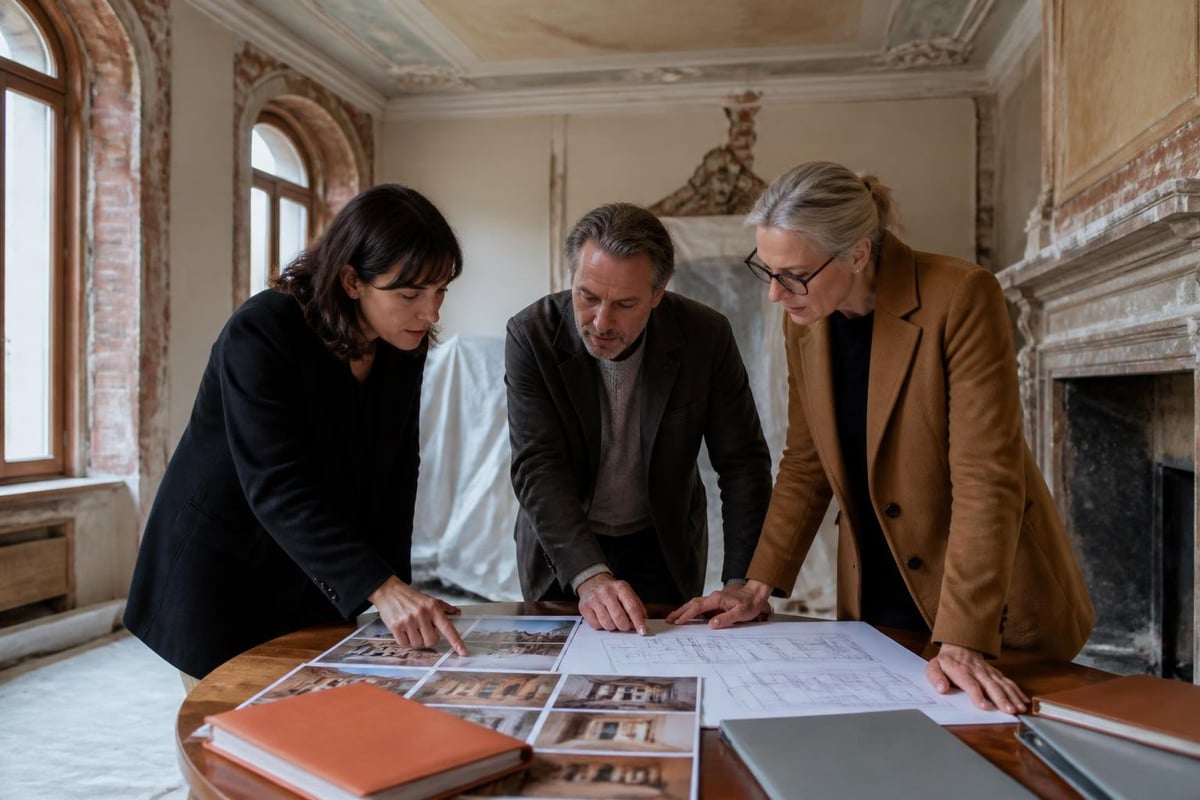
Before you pick up a hammer or call a contractor, thorough assessment is critical. Every restoration renovation project starts with understanding what you're working with. This means getting into crawl spaces, attics, and behind walls to evaluate the true condition of your property.
Structural Evaluation Steps
- Foundation and framing inspection: Check for settling, rot, or structural compromises
- Systems assessment: Evaluate electrical, plumbing, and HVAC for safety and capacity
- Material inventory: Document original materials, finishes, and architectural details worth preserving
- Code compliance review: Identify where current building codes require updates
- Historical research: If possible, discover the property's original design and changes over time
The guidelines for rehabilitating historic buildings emphasize understanding a building's history and significance before making any changes. In the Okanagan region, many properties have unique stories tied to the fruit industry, early settlement, or lakeside recreation. These contexts matter when making restoration decisions.
| Assessment Area | What to Look For | Why It Matters |
|---|---|---|
| Original millwork | Crown molding, baseboards, door casings | Defines architectural character |
| Hardware | Door knobs, hinges, window latches | Often irreplaceable details |
| Flooring | Hardwood species, patterns, condition | Major visual and structural element |
| Exterior cladding | Original siding, brick, stone | Weather protection and curb appeal |
| Windows | Frame style, glass type, operation | Energy efficiency vs. historic accuracy |
For commercial properties in areas like Sicamous, this assessment phase becomes even more complex. You're balancing heritage preservation with business functionality, accessibility requirements, and modern safety standards.
Balancing Historic Preservation With Modern Needs
Here's where restoration renovation gets interesting. You want that clawfoot tub, but you also need a walk-in shower. You love the original two-bedroom layout, but your family needs four bedrooms. How do you honor the past while living in the present?
The key lies in strategic planning and creative problem-solving. Interior renovation work requires understanding which changes are reversible and which permanently alter a property's character. Sometimes the answer is adding modern elements in ways that can be undone by future owners who might want a more authentic restoration.
Practical Integration Strategies
Hidden modernization works beautifully in many restoration renovation projects. You can run new electrical wiring through existing walls, install radiant floor heating beneath original hardwood, or add insulation in attics and basements without touching visible surfaces. These updates dramatically improve comfort and efficiency while keeping the historic aesthetic intact.
Respectful additions acknowledge that homes evolve with their occupants. Adding a bathroom in a previously unused closet, converting an attic to living space, or building a sympathetic addition can provide needed square footage. The trick is matching materials, proportions, and details so new work feels like it belongs.
Selective replacement recognizes that not everything old is worth saving. A 1960s bathroom addition in a 1920s home might have little historic value. Replacing it with something that better matches the original era can actually enhance authenticity. Similarly, failing systems that pose safety risks need replacement, even if they're original.
Consider how best practices for residential remodeling emphasize team collaboration and clear planning. These principles apply doubly to restoration renovation, where unexpected discoveries are common and decisions affect both function and historical integrity.
Navigating Materials and Craftsmanship Challenges
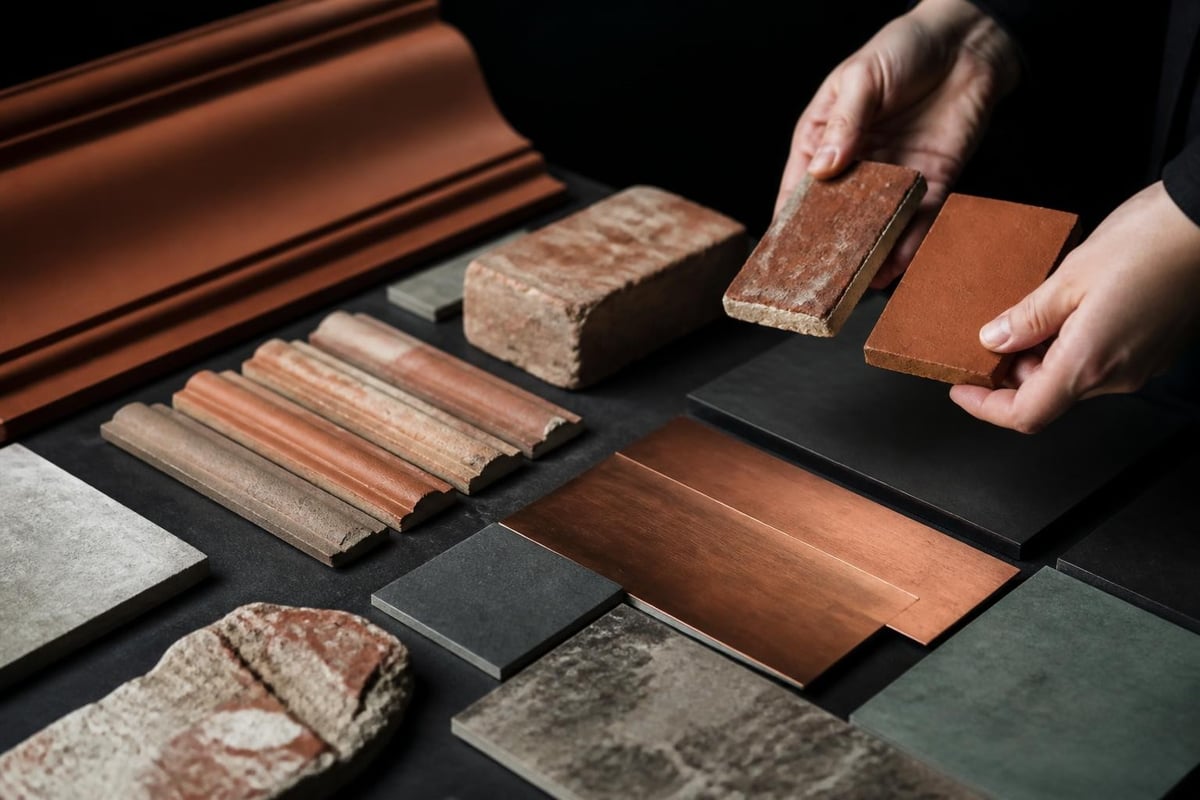
Finding the right materials for restoration renovation projects in 2026 presents unique challenges. Many original materials are no longer manufactured, specialized craftspeople are harder to find, and modern alternatives don't always match historic specifications.
Sourcing Authentic Materials
- Salvage yards and architectural antique dealers: Perfect for matching original elements
- Custom millwork shops: Can replicate historic profiles and details
- Specialty manufacturers: Some companies focus on period-appropriate reproductions
- Reclaimed material suppliers: Offer authentic aged wood, brick, and metal
In rural areas like the Shuswap, you might discover barn wood, vintage hardware, or stone from demolished buildings that perfectly complement your restoration renovation. Local salvage operations often have materials that match regional building traditions better than anything ordered online.
The challenge intensifies when you need skilled craftspeople. Traditional plastering, wood joinery, and period-appropriate painting techniques require expertise that's becoming rarer. Building relationships with contractors who understand and value historic work makes all the difference.
Managing Restoration Renovation Budgets and Timelines
Let's talk honestly about costs. Restoration renovation typically costs more than standard renovation work. You're paying for specialized materials, skilled labor, and the extra time needed to work carefully around historic elements. But that doesn't mean projects need to be financially impossible.
Budget Allocation Framework
| Expense Category | Typical Percentage | Notes |
|---|---|---|
| Structural repairs | 25-35% | Foundation, framing, roof work |
| Systems updates | 20-30% | Electrical, plumbing, HVAC |
| Historic preservation | 15-25% | Refinishing, restoration, replication |
| Modern improvements | 15-20% | Kitchen, bathrooms, efficiency upgrades |
| Contingency | 10-15% | Higher than standard due to unknowns |
Phasing your project makes financial sense for many homeowners. Start with critical structural and systems work, then tackle preservation and aesthetic improvements in subsequent phases. This approach spreads costs over time and lets you learn what works before committing to every detail.
Prioritizing wisely means distinguishing between must-haves and nice-to-haves. Maybe those original windows can be restored next year, but the failing furnace needs immediate replacement. Perhaps you install standard cabinets now with plans to upgrade to custom period-appropriate ones later.
Timeline expectations differ significantly from new construction. Opening walls often reveals surprises that add weeks to schedules. Custom millwork takes longer to fabricate than stock materials. Weather impacts exterior work more when you're protecting exposed historic elements. Smart homeowners and contractors build flexibility into their schedules.
Addressing Common Restoration Renovation Challenges
Every restoration renovation project brings its own complications. Understanding common issues helps you prepare mentally, financially, and logistically for what's ahead.
The Discovery Factor
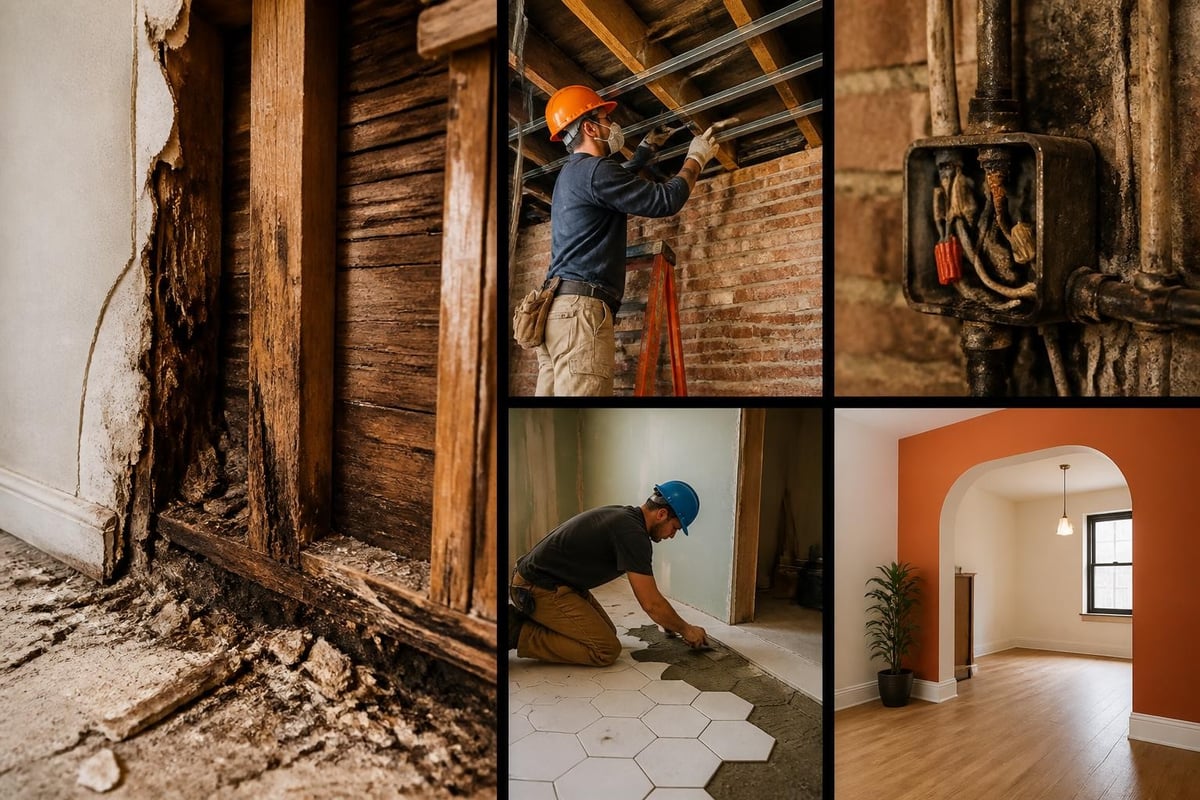
You cannot know everything about an old building until you start working on it. That innocent-looking wall might hide knob-and-tube wiring, crumbling plaster, or previous "repairs" that created new problems. Water damage often extends further than visible stains suggest. Foundations settled in ways that aren't apparent until you're leveling floors.
This is why experienced contractors build contingency into estimates and timelines. It's not padding, it's realism. When working on heritage properties in Sicamous or the Okanagan, these discoveries are part of the process, not failures of planning.
Code Compliance Complexity
Modern building codes exist for safety, but they weren't written with 100-year-old houses in mind. You'll face situations where bringing everything up to current code is technically impossible or would destroy historic character. The Secretary of the Interior’s Standards acknowledge this tension and provide frameworks for finding acceptable solutions.
Working with building officials who understand restoration work makes this easier. Some jurisdictions have special provisions for historic properties. Others require creative engineering solutions that meet code intent without standard approaches.
Energy Efficiency Versus Authenticity
Modern homeowners rightfully want energy-efficient homes. But many efficiency measures conflict with historic authenticity. Modern vinyl windows don't match the muntin patterns of original wood windows. Spray foam insulation can trap moisture in old walls that were designed to breathe. Thick exterior insulation changes the appearance of heritage siding.
Solutions exist, but they require research and often cost more than standard approaches. High-performance restoration windows preserve historic appearance while dramatically improving thermal performance. Careful air sealing and appropriate insulation strategies can modernize efficiency without creating moisture problems. Maintaining indoor air quality during renovations becomes especially important in tight older buildings.
Regional Considerations for Okanagan and Shuswap Projects
Restoration renovation in the Okanagan, Sicamous, and Shuswap regions comes with unique considerations. Climate, building traditions, and available materials all influence how you approach these projects.
The region's dry summers and cold winters create specific weathering patterns on older buildings. Sun exposure fades and degrades exterior finishes. Freeze-thaw cycles stress foundations and masonry. Summer wildfire risk adds another layer to planning, especially for rural properties.
Local building traditions matter too. Many older Okanagan homes feature river rock foundations, local wood species, and construction methods adapted to regional conditions. Respecting these traditions means your restoration renovation feels authentic to its place, not just its era.
Working With Lake-Access and Rural Properties
Properties with lake access or in rural locations present additional challenges. Getting materials and equipment to remote sites costs more and takes longer. Seasonal access restrictions might limit when work can happen. Septic systems, well water, and off-grid power add complexity to systems updates.
But these properties also offer unique opportunities. Privacy allows for temporary construction messes without neighbor complaints. Rural settings often have barns or outbuildings with salvageable materials perfect for restoration work. The connection to natural landscapes makes preservation feel especially worthwhile.
Many successful projects we've seen in the area thoughtfully balance rustic charm with modern lakeside living. Original post-and-beam structures get showcased while systems and insulation are completely modernized behind the scenes.
Creating a Successful Restoration Renovation Team
You can't do this work alone, and you shouldn't want to. Building the right team makes the difference between a frustrating struggle and an enjoyable journey toward your dream space.
Essential Team Members
- Experienced general contractor: Someone who's worked on heritage properties and understands their quirks
- Structural engineer: Critical for assessing and addressing structural issues safely
- Architect or designer: Helps balance historic character with modern functionality
- Specialized trades: Plasterers, finish carpenters, masons who appreciate quality craftsmanship
- Building official liaison: Someone who can navigate code requirements for historic work
Look for professionals who express genuine interest in your property's history and character. The contractor who talks about "just gutting it" probably isn't your restoration renovation partner. You want someone who asks questions, takes time to understand the building, and suggests creative solutions that preserve while improving.
Communication between team members becomes especially important. The electrician needs to coordinate with the carpenter to hide wiring. The plumber must work with the tile setter to maintain historic floor patterns. Regular on-site meetings keep everyone aligned and catch conflicts before they become problems.
Documentation and Historical Research
Understanding your property's history enriches restoration renovation work. Beyond sentimental value, historical research provides practical guidance for making authentic choices about materials, colors, and details.
Where to Find Information:
- County records and tax assessments
- Historical societies and local museums
- Previous owners and longtime neighbors
- Old photographs and postcards
- Newspaper archives
- Building permit records
Sometimes research reveals surprising facts. That addition you thought was original might be from 1950. The exterior color might not match the original scheme. The layout could have changed multiple times. This information helps you make informed decisions about what to preserve and what to change.
Documenting your own work matters too. Photograph everything before, during, and after construction. Keep detailed records of materials used, techniques employed, and sources for specialty items. Future owners will appreciate this information, and it helps if you need to replicate work in other parts of the property.
The case study of a century-old bungalow restoration demonstrates how thorough documentation guides decision-making throughout complex projects.
Legal and Regulatory Considerations
Restoration renovation often involves regulatory requirements beyond standard building permits. Understanding these upfront prevents problems and delays later.
Potential Regulatory Layers
- Heritage designations: Properties on heritage registers face restrictions on alterations
- Local bylaws: Some municipalities have specific requirements for older buildings
- Historical district regulations: If your property is in a historic district, exterior changes may need approval
- Environmental considerations: Older buildings may contain hazardous materials requiring special handling
- Variance applications: When code compliance creates conflicts with preservation
If your property has any heritage designation, research requirements thoroughly before planning changes. Some jurisdictions offer grants or tax incentives for appropriate restoration work. Others simply restrict what you can and can't do.
Understanding the differences between remodeling, renovation, and restoration helps when discussing your project with officials. Using correct terminology and demonstrating knowledge of standards shows you're approaching the work seriously.
Making Restoration Renovation Work for You
Every restoration renovation project is unique, shaped by the building's history, your needs, your budget, and your vision. Success comes from balancing all these factors thoughtfully.
Start by clarifying your goals. Are you primarily preserving a family heritage? Creating a unique living space? Making a sound investment? Your priorities guide every subsequent decision. Be honest about what you can tackle yourself and where you need professional help. Restoration work requires specialized skills, and well-intentioned amateur efforts can create expensive problems.
Stay flexible as the project unfolds. That perfect vintage light fixture you envisioned might not exist or might cost more than you can justify. The layout change you planned might not work once you see the existing structure. The timeline might stretch due to weather, material delays, or discoveries. Projects that embrace evolution rather than rigid adherence to initial plans tend to have happier outcomes.
Remember that restoration renovation is a journey, not just a destination. You're becoming a steward of a piece of history while creating a home that serves your life. There's satisfaction in preserving craftsmanship, in solving puzzles that old buildings present, and in knowing you're maintaining something worth keeping.
When you're ready to discuss your restoration renovation vision with professionals who understand both the challenges and the rewards, having that conversation early shapes everything that follows. The right team brings experience with heritage properties, connections to specialized trades and materials, and the problem-solving skills these projects demand.
Restoration renovation requires patience, expertise, and a genuine appreciation for the character that makes older buildings special. Whether you're preserving a heritage home in the Okanagan, updating a commercial property in Sicamous, or modernizing a lakeside retreat in the Shuswap, the key is balancing respect for the past with functionality for the future. With over 32 years of experience transforming properties throughout the region, Kreeative Renovations & Design Co. understands the unique challenges of restoration work and brings the craftsmanship needed to honor your property's history while creating spaces that work for today's living. Start your renovation with a team that cares about both quality and character.


