
The future of home renovation isn't just about beautiful finishes and functional layouts anymore. Today's homeowners in the Okanagan, Sicamous, and Shuswap regions are discovering that smart home remodeling creates spaces that adapt to their lifestyles, save energy, and add serious value to their properties. Whether you're planning a complete home transformation or targeting specific rooms, integrating smart technology during your renovation makes perfect sense. The infrastructure work happens anyway, so why not future-proof your home while the walls are open?
Why Smart Home Remodeling Makes Sense in 2026
The smart home technology landscape has matured significantly over the past few years. Gone are the days of complicated systems that required IT degrees to operate. Modern smart home devices talk to each other seamlessly, and installation during renovation is far more cost-effective than retrofitting later.
Consider what happens during a typical renovation project. Your contractor opens walls, runs new electrical, installs fresh drywall, and updates finishes. This is the perfect opportunity to add smart wiring, install in-wall controls, and position devices exactly where they'll work best. Waiting until after your renovation means cutting into those pristine new walls, creating patchwork repairs, and significantly higher installation costs.
The Real Benefits Beyond the Gadgets
Smart home remodeling delivers tangible advantages that go beyond the cool factor:
- Energy savings through automated climate control and smart lighting
- Enhanced security with integrated cameras, locks, and monitoring
- Increased property value that appeals to tech-savvy buyers
- Accessibility improvements for aging-in-place or mobility challenges
- Remote management perfect for vacation properties common around Sicamous and Shuswap
The Consumer Technology Association reports that smart home adoption continues climbing, with homeowners particularly interested in security, energy management, and convenience features. This isn't a passing trend; it's becoming the expected standard in modern homes.
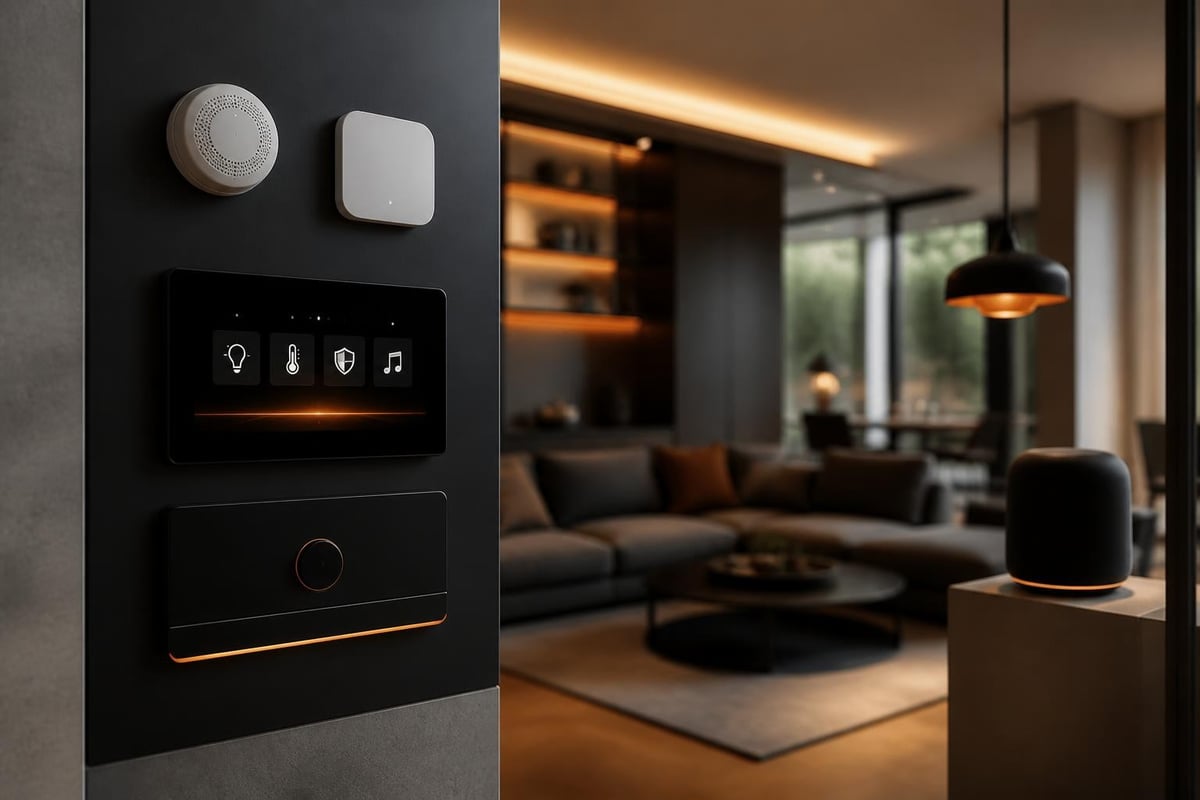
Planning Your Smart Home Renovation Strategy
Before you start picking out devices, step back and think about how you actually live in your space. The best smart home remodeling projects begin with honest conversations about daily routines, frustrations, and aspirations.
Walk through a typical day. What would make your morning routine smoother? Could automated coffee makers and gradually brightening lights help you wake naturally? During work-from-home hours, would voice-controlled meeting room lighting and automated door locks minimize interruptions? Evening relaxation might benefit from preset lighting scenes and integrated entertainment systems.
Room-by-Room Smart Integration Priorities
Different spaces benefit from different smart technologies. Here's how to think strategically:
| Room Type | Priority Technologies | Key Benefits |
|---|---|---|
| Kitchen | Smart appliances, task lighting, voice assistants | Hands-free cooking help, energy monitoring |
| Bathroom | Heated floors, smart mirrors, water sensors | Comfort, leak detection, energy efficiency |
| Living Areas | Lighting scenes, climate zones, entertainment | Ambiance control, energy savings |
| Bedrooms | Smart blinds, climate control, security | Sleep optimization, privacy, temperature |
| Home Office | Automated lighting, climate zones, soundproofing | Productivity, video call quality |
Your interior renovation provides the perfect canvas for integrating these technologies seamlessly, with wiring and controls hidden behind finished surfaces rather than surface-mounted as afterthoughts.
Essential Smart Systems to Consider
Climate Control That Thinks Ahead
Modern smart thermostats do more than let you adjust temperature from your phone. They learn your schedule, sense when rooms are occupied, and optimize heating and cooling for both comfort and efficiency. In the Okanagan climate, where summer heat and winter cold both demand attention, smart climate control can cut energy bills by 15-25%.
Zone control systems take this further. Why heat empty bedrooms or cool unused spaces? Smart HVAC zoning directs conditioned air exactly where you need it, when you need it. For larger homes common in Shuswap renovations, this isn't luxury; it's practical efficiency.
Lighting That Adapts to Life
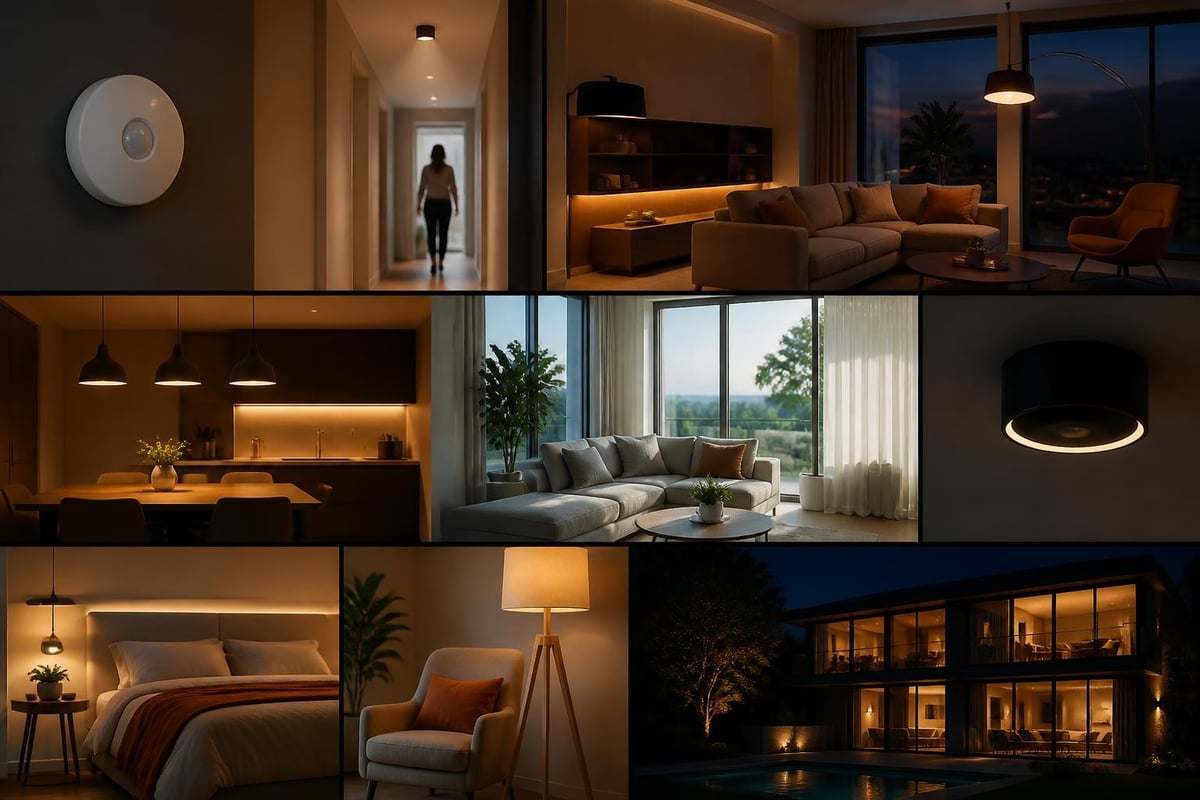
Smart lighting represents one of the most impactful yet affordable smart home remodeling investments. Beyond simple on-off control, modern systems offer:
- Circadian rhythm lighting that mimics natural daylight patterns
- Automated scheduling based on sunrise, sunset, and your routines
- Motion-activated convenience in hallways, closets, and bathrooms
- Scene presets for entertaining, working, or relaxing
- Integration with security systems for presence simulation when traveling
Professional installation during renovation allows for proper switch placement, hidden wiring, and integration with traditional controls. You maintain normal switches for guests and family members who prefer simple operation, while enjoying advanced control through apps and voice commands.
Security and Access Control Integration
Smart home remodeling projects in 2026 prioritize security integration from the ground up. Planning smart home security during renovation allows for proper camera positioning, discrete wiring, and professional-grade installation.
Modern security systems go far beyond basic alarm monitoring. Video doorbells let you screen visitors from anywhere. Smart locks eliminate keys while providing detailed access logs. Window and door sensors integrate with lighting and climate systems; when a door opens, lights turn on and thermostats adjust.
The Privacy and Security Balance
As you add connected devices, cybersecurity becomes critical. Work with contractors who understand network segmentation, creating separate networks for smart devices isolated from computers and phones containing sensitive data. Choose devices from reputable manufacturers with strong security track records and regular updates.
During renovation, plan for a robust home network infrastructure. Professional-grade Wi-Fi access points, ethernet backbone wiring, and secure network equipment ensure your smart home functions reliably without creating vulnerabilities. This infrastructure work is dramatically easier during construction than after finishing.
Voice Control and Home Automation Hubs
Central control systems have evolved from luxury to practical necessity in comprehensive smart home remodeling. Whether you choose Amazon Alexa, Google Assistant, Apple HomeKit, or dedicated systems from professional smart home integrators, having a unified control platform prevents the frustration of juggling multiple apps.
The key is choosing systems during planning, not after installation. Different platforms work better with different devices, and some technologies require specific wiring or positioning. Your renovation team needs this information before roughing in electrical and network infrastructure.
Automation Scenes That Simplify Life
True smart home power comes from automation scenes that chain multiple actions together:
Morning routine: Gradually brighten bedroom lights 20 minutes before your alarm, start the coffee maker, adjust the thermostat to comfortable temperature, and unlock the front door for newspaper delivery.
Leaving home: Single command locks all doors, arms security system, adjusts climate to energy-saving mode, and turns off unnecessary lights and devices.
Movie night: Dims living room lights, closes motorized shades, adjusts room temperature slightly cooler, and switches the TV to your preferred streaming service.
Bedtime: Locks remaining doors, sets security to night mode, turns off all lights except path lighting to bathrooms, and adjusts bedroom temperature for optimal sleep.
These scenes make your home anticipate needs rather than just respond to commands.
Smart Appliances and Kitchen Technology
Kitchen renovations represent prime opportunities for smart home remodeling integration. Modern appliances connect to home networks, offering remote monitoring, automated ordering, and energy optimization.
Smart refrigerators track contents and expiration dates. Ranges can be preheated remotely and send alerts when cooking timers expire. Dishwashers run during off-peak energy hours automatically. These aren't gimmicks when properly integrated; they're genuine conveniences that align with how busy families actually live.
The Practical Tech That Actually Gets Used
Focus on technologies that solve real problems rather than accumulating gadgets:
- Leak detectors near water heaters, under sinks, and by washing machines prevent catastrophic water damage
- Smart garage door openers eliminate the "did I close the garage?" anxiety
- Automated pet feeders and cameras help manage pet care during long work days
- Smart irrigation conserves water while maintaining landscaping, crucial in the Okanagan's dry climate
- Whole-home audio allows music throughout indoor and outdoor spaces without visible speakers
During your renovation planning with contractors like Kreeative Renovations & Design Co., discuss which smart features align with your actual lifestyle rather than installing everything available.
Budget Considerations for Smart Home Integration
Smart home remodeling doesn't require unlimited budgets. Strategic planning lets you phase technology integration over time while ensuring infrastructure supports future additions.
Immediate Infrastructure Investments
Prioritize these during construction when costs are lowest:
- Network infrastructure: Ethernet runs to key locations, high-quality Wi-Fi access points
- Electrical preparation: Extra circuits, neutral wires at all switch locations, dedicated outlets
- Conduit and pathways: Empty conduit between walls allows future wire runs without wall damage
- Control panel space: Dedicated, ventilated location for network equipment and automation hubs
Phased Technology Deployment
With proper infrastructure, you can add smart devices gradually:
Phase 1 (During Renovation): Smart thermostats, basic security cameras, automated garage doors, smart locks on main entries
Phase 2 (Post-Construction): Whole-home lighting control, entertainment system integration, motorized window treatments
Phase 3 (As Budget Allows): Smart appliances during normal replacement cycles, expanded security coverage, advanced automation scenes
This approach spreads costs while ensuring everything works together cohesively.
Working with Experienced Local Contractors
Successful smart home remodeling requires contractors who understand both traditional construction and modern technology integration. In the Okanagan and Shuswap regions, working with established local teams ensures projects account for local climate considerations, building codes, and practical living patterns.
Experienced contractors coordinate between electricians, network specialists, and smart home installers, preventing the chaos of multiple trades working at cross-purposes. They understand that automation wiring happens before drywall, that climate sensors need proper positioning away from drafts and direct sunlight, and that home theater planning affects room dimensions and acoustic treatments.
For properties throughout the region, from Sicamous lake-access homes to Okanagan vineyards, local expertise matters. Rural internet connectivity, seasonal property automation, and extreme temperature ranges all influence smart home design decisions.
Common Smart Home Remodeling Mistakes to Avoid
Learning from others' experiences saves money and frustration. Watch out for these frequent pitfalls:
Choosing incompatible systems: Not all smart devices work together. Research compatibility before purchasing, or work with professional integrators who ensure seamless operation.
Inadequate network infrastructure: Cheap Wi-Fi extenders and overloaded consumer routers cause constant headaches. Invest in proper network equipment during renovation when running cables is easy.
Ignoring automation potential: Installing smart devices without programming useful automation scenes means you've bought expensive remote controls rather than genuine smart home functionality.
Overlooking user experience: Systems too complex for family members to understand don't get used. Balance sophistication with usability.
Skipping security considerations: Connected devices create potential vulnerabilities. Implement network security, use strong unique passwords, and keep firmware updated.
Forgetting about maintenance: Smart home systems need occasional updates and adjustments. Plan for this ongoing requirement rather than assuming set-and-forget operation.
Energy Efficiency and Environmental Impact
Beyond convenience, smart home remodeling delivers measurable environmental benefits. Professional smart home installation focuses heavily on energy optimization, reducing household carbon footprints while lowering utility costs.
Smart systems eliminate energy waste through multiple mechanisms. Lights turn off in unoccupied rooms. Thermostats reduce heating and cooling when nobody's home. Smart power strips cut phantom loads from devices in standby mode. Water heaters learn usage patterns and minimize reheating cycles.
In the Okanagan climate, smart window treatments automatically adjust throughout the day. South-facing motorized shades close during peak summer heat, reducing air conditioning loads. In winter, they open to capture passive solar heating, then close at night for insulation. These automated adjustments happen reliably without requiring conscious thought.
Future-Proofing Your Smart Home Investment
Technology evolves rapidly, but thoughtful planning creates systems that adapt rather than become obsolete. Focus on open standards rather than proprietary systems when possible. Choose manufacturers with strong track records and commitment to backward compatibility.
Plan network infrastructure with excess capacity. Today's bandwidth requirements seem substantial, but they're modest compared to emerging technologies. Running extra ethernet lines during construction costs little; adding them later costs significantly.
Consider renewable energy integration. Smart home systems increasingly incorporate solar panels, battery storage, and electric vehicle charging. Even if you're not ready for these investments today, planning electrical panels and conduit pathways for future expansion makes sense.
Making Smart Home Technology Work for You
The goal of smart home remodeling isn't collecting gadgets; it's creating a living environment that genuinely improves daily life. Start by identifying your specific pain points and priorities. What frustrates you about your current home? Where do you waste time or energy?
Technology should solve these problems invisibly. The best smart home installations fade into the background, working so seamlessly that you barely notice them until you visit homes without similar conveniences.
As you explore smart home upgrade options, remember that successful integration requires planning alongside your renovation timeline, not as an afterthought. Coordinate with your contractor early, discuss your technology goals honestly, and remain focused on practical functionality over impressive but rarely-used features.
Smart home remodeling transforms how you experience your living space, delivering comfort, efficiency, and security through thoughtful technology integration during renovation. With over 32 years of experience serving the Okanagan, Sicamous, and Shuswap regions, Kreeative Renovations & Design Co. brings the expertise needed to seamlessly blend modern smart technology with traditional craftsmanship, creating homes that work as intelligently as they look beautiful. Talk to Kreeative about your next project and discover how smart integration can elevate your renovation from good to extraordinary.


