
Transforming your entire home is one of the biggest decisions you'll make as a homeowner. Total home renovations go beyond simple updates, they reimagine how your space functions, looks, and serves your family's needs. Whether you're dealing with an outdated layout, aging systems, or simply ready for a fresh start, understanding the full scope of what's involved helps you plan smarter and avoid costly surprises. For homeowners across the Okanagan, Sicamous, and Shuswap regions, these projects require careful planning, skilled contractors, and a clear vision of the outcome.
What Makes Total Home Renovations Different
Unlike room-by-room updates, total home renovations tackle your entire property at once. This comprehensive approach means rethinking everything from floor plans to finishes.
The Scope of Complete Transformations
When you commit to total home renovations, you're looking at multiple systems and spaces simultaneously. Electrical panels get upgraded. Plumbing lines are replaced. Wall configurations change to improve flow. Windows and doors are swapped for energy-efficient models. The roof might need replacement, and insulation improvements become part of the package.
This holistic approach offers distinct advantages:
- Consistency in design across all rooms and spaces
- Single timeline instead of years of ongoing projects
- Better cost efficiency when contractors handle everything together
- Reduced disruption compared to multiple separate projects
- Modern systems installed throughout at once
The scale feels overwhelming at first. But breaking it into phases makes the process manageable, and working with experienced Okanagan renovations professionals ensures nothing falls through the cracks.
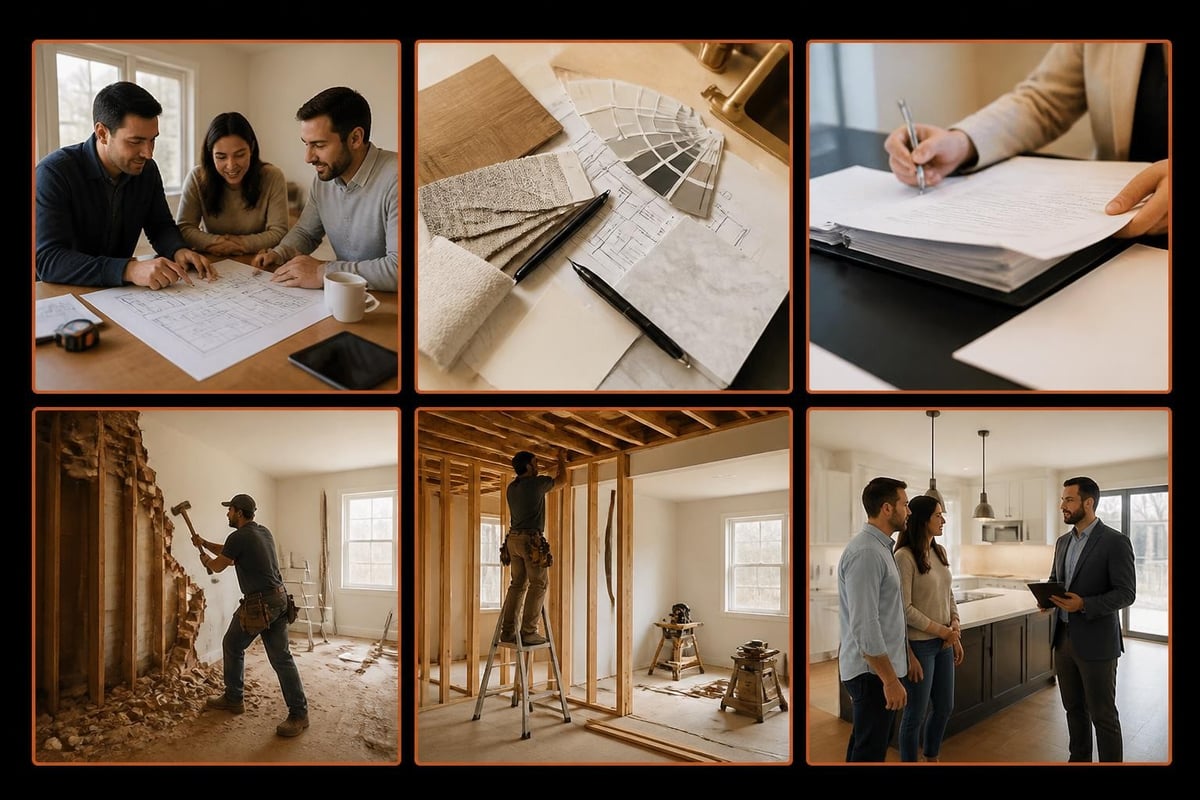
Financial Planning for Major Renovations
Money matters dominate conversations about total home renovations. According to recent home improvement spending data, American homeowners invested approximately $827 billion in renovation projects over two years, showing just how significant these investments have become.
Budget Breakdown Categories
Understanding where your money goes helps prevent shock when quotes arrive. Here's how costs typically distribute:
| Category | Percentage of Budget | What It Includes |
|---|---|---|
| Labor | 40-50% | Contractors, trades, project management |
| Materials | 30-40% | Lumber, fixtures, finishes, appliances |
| Permits & Fees | 5-10% | Building permits, inspections, design fees |
| Contingency | 10-20% | Unexpected issues, changes, overruns |
Smart homeowners in Sicamous and Shuswap areas know that lake-access properties and rural locations can add transportation costs and unique structural challenges. Budgeting that extra 15-20% contingency makes sense when dealing with older homes or properties in harder-to-reach areas.
Financing Your Vision
Most people don't have $100,000-plus sitting around. Financing options include home equity lines of credit, renovation mortgages, and personal loans. According to research on project decisions, homeowners increasingly blend multiple funding sources to complete ambitious renovations.
Cash flow matters too. Contractors typically request deposits upfront, with progress payments throughout. Clarifying payment schedules before work begins prevents misunderstandings and keeps projects moving smoothly.
Design Decisions That Define Your Home
Total home renovations force you to answer fundamental questions about how you live. Open concept or defined rooms? Modern minimalism or cozy traditional? These choices shape everything that follows.
Layout Transformations
Walls come down. Rooms combine. Hallways disappear. The 2025 renovation trends study reveals that homeowners prioritize functional layouts over aesthetic updates, focusing on how spaces actually work for daily life.
Kitchen relocations create better flow between cooking, dining, and living areas. Bathrooms multiply to serve growing families or aging parents moving in. Home offices become permanent features rather than dining room afterthoughts.
For Okanagan properties with stunning lake or mountain views, window placement and room orientation maximize those natural assets. Strategic design captures vistas while maintaining privacy from neighboring properties.
Material Selection Strategy
Choosing finishes for an entire home simultaneously can paralyze decision-makers. Start with anchor pieces like flooring and cabinetry, then build around them.
Durable materials make sense for high-traffic areas. Engineered hardwood handles temperature fluctuations better than solid wood in Shuswap properties with seasonal use. Quartz countertops resist staining and cracking better than marble in busy kitchen renovations.
Local suppliers familiar with regional climate conditions help you avoid materials that won't perform well. What works in Vancouver might fail in interior BC's drier climate and temperature extremes.
Timeline Realities and Expectations
Patience becomes essential when undertaking total home renovations. The process stretches across months, not weeks, and understanding realistic timelines prevents frustration.
Typical Project Phases
Pre-construction (4-8 weeks):
- Initial consultations and design development
- Detailed plans and engineering if needed
- Permit applications and approvals
- Material ordering and scheduling
Demolition and rough-ins (3-6 weeks):
- Removing old systems and finishes
- Structural modifications
- New electrical, plumbing, and HVAC
- Inspections at each stage
Finishing work (6-10 weeks):
- Drywall, insulation, and vapor barriers
- Flooring installation throughout
- Cabinetry, countertops, and built-ins
- Paint, trim, and final fixtures
Weather impacts outdoor work in the Okanagan. Winter snow delays exterior projects. Spring rain pushes schedules back. Experienced Sicamous contractors plan around these realities rather than pretending they don't exist.
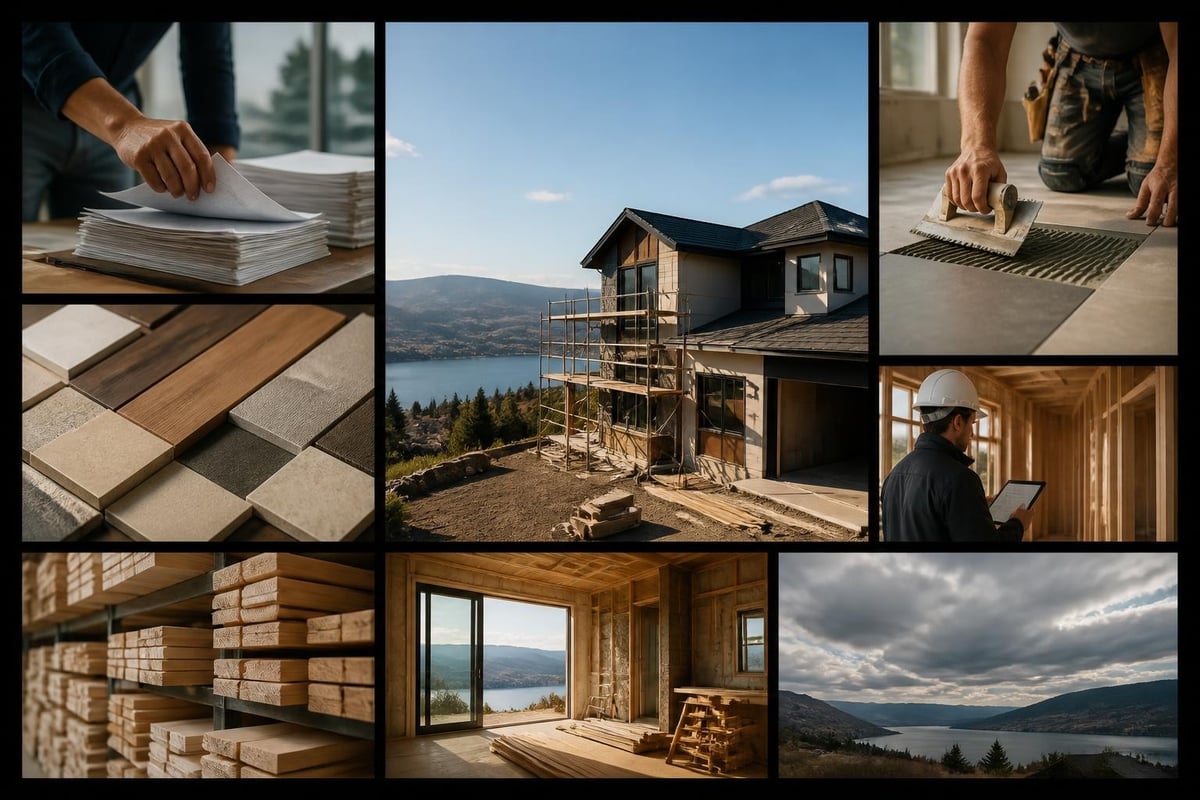
Living Through the Renovation Process
Where do you stay when contractors gut your entire home? This practical question deserves early attention.
Relocation Options
Some brave souls live onsite during renovations. If you're keeping one bathroom functional and can handle dust, noise, and constant disruption, staying put saves money. But it tests relationships and sanity.
Temporary housing makes sense for total home renovations. Extended-stay hotels, short-term rentals, or staying with family provides refuge from construction chaos. Factor these costs into your overall budget.
For Shuswap vacation properties, timing renovations during off-season months when you're not using the space anyway minimizes lifestyle disruption. Winter renovations wrap up before summer lake season begins.
Managing Daily Challenges
Communication with your contractor becomes critical when every room faces transformation. Weekly check-ins review progress, address concerns, and adjust timelines if needed. The Free Consultation process at the project start establishes these communication patterns that carry through to completion.
Security matters too. Changing locks, securing valuables, and restricting access to certain areas protects your belongings during the months when workers move through your property daily.
Systems Upgrades and Modern Standards
Total home renovations provide the perfect opportunity to bring outdated systems into 2026 standards. Electrical panels from the 1970s can't handle modern loads. Old furnaces waste energy and money.
Essential Infrastructure Improvements
Smart homes require robust electrical systems. Plan for outlets every six feet, dedicated circuits for major appliances, and wiring for future technology. USB charging stations and whole-home networking become standard, not luxuries.
Plumbing upgrades address water quality and efficiency. PEX piping replaces old copper or galvanized steel. Low-flow fixtures reduce water consumption without sacrificing performance. On-demand water heaters eliminate standby energy losses.
HVAC systems matter enormously in the Okanagan's climate extremes. Heat pumps handle both summer cooling and winter heating efficiently. Proper insulation and air sealing maximize system performance and comfort.
Permits, Inspections, and Regulations
The paperwork side of total home renovations frustrates many homeowners. But cutting corners on permits creates liability issues and resale problems down the road.
Regional Requirements
Building codes vary between municipalities. What Kelowna requires differs from Sicamous regulations. Experienced local contractors know these nuances and handle permit applications properly.
Structural changes always require permits. Moving bearing walls, adding square footage, or modifying foundations trigger inspection requirements. Electrical and plumbing work needs permits and inspections too, even when walls stay in place.
According to renovation activity studies, homeowners increasingly recognize that proper permitting protects property values and prevents legal headaches when selling. Inspectors verify work meets code, ensuring safety and quality.

Contractor Selection and Relationships
Your contractor choice determines whether total home renovations become your dream or nightmare. This decision deserves serious research and thought.
Vetting Potential Contractors
Experience matters, especially for comprehensive projects. Look for contractors with at least a decade of work in the region who understand local conditions, suppliers, and building requirements. The portfolio of completed projects shows capability and style alignment.
Check references thoroughly. Talk to past clients about communication, problem-solving, budget management, and overall satisfaction. Visit completed projects if possible to see quality firsthand.
Licensing and insurance protect you from liability. Verify coverage amounts and expiration dates. Require proof before work begins. Quality contractors maintain proper documentation willingly.
Red Flags to Avoid
Walk away from contractors who:
- Demand full payment upfront
- Lack proper licensing or insurance
- Refuse to provide references
- Pressure you to decide immediately
- Don't pull permits for required work
- Provide vague or incomplete estimates
Trust your instincts. If something feels off during initial meetings, that discomfort won't disappear once construction begins.
Maximizing Return on Investment
Total home renovations represent substantial financial commitments. Understanding which improvements deliver the best returns helps prioritize decisions when budgets stretch thin.
High-Value Improvements
Kitchen and bathroom renovations consistently deliver strong returns. Updated kitchens recoup 60-80% of costs at resale. Modern bathrooms add similar value while improving daily quality of life.
Energy efficiency upgrades pay dividends twice through lower utility bills and increased home value. New windows, additional insulation, and efficient HVAC systems attract buyers and reduce operating costs.
Curb appeal improvements create powerful first impressions. Siding replacements, new roofing, and landscaping updates make homes stand out in the Okanagan market where outdoor living matters enormously.
| Improvement Type | Typical ROI | Best For |
|---|---|---|
| Kitchen Remodel | 60-80% | Occupied homes, resale prep |
| Bathroom Addition | 50-70% | Growing families, multi-gen living |
| Energy Upgrades | 40-60% | Long-term ownership, monthly savings |
| Outdoor Spaces | 50-75% | Lake properties, entertainment focus |
Common Mistakes and How to Avoid Them
Even experienced homeowners make errors during total home renovations. Learning from others' mistakes saves money and stress.
Planning Failures
Insufficient planning causes most renovation disasters. Rushing into demolition before finalizing designs leads to costly changes mid-project. According to comprehensive home improvement statistics, inadequate planning accounts for significant budget overruns.
Underestimating timelines creates unrealistic expectations. Building in buffer time for delays, weather issues, and unexpected discoveries keeps stress manageable when inevitable delays occur.
Budget Blindness
Many homeowners focus solely on construction costs while ignoring associated expenses. Temporary housing, storage fees, eating out during kitchen renovations, and furniture purchases add thousands to final bills.
The contingency fund isn't optional. Every project uncovers surprises – outdated wiring, hidden water damage, structural issues. Setting aside 15-20% for unknowns prevents mid-project funding crises that halt work.
Communication Breakdowns
Assuming contractors read minds creates misunderstandings and disappointment. Document everything in writing. Weekly meetings review progress and address concerns before they become problems.
Changes during construction cost more than pre-planning. That extra window or relocated outlet seems minor but requires rescheduling trades, ordering additional materials, and adjusting timelines. Minimize changes after work begins.
Insurance and Risk Management
An often-overlooked aspect of total home renovations involves protecting your investment during and after construction. According to industry reports on renovation insurance, many homeowners fail to update policies despite significant property changes.
Coverage Considerations
Notify your insurance company before starting work. Vacant homes during renovations may require different coverage. Increased property values after improvements need higher policy limits to ensure adequate replacement coverage.
Builder's risk insurance covers property during construction when standard policies exclude renovation-related damage. Your contractor should carry liability insurance, but verifying your own protection prevents coverage gaps.
Document everything with photos before, during, and after work. This evidence proves pre-existing conditions and completed improvements if claims arise later.
Sustainable and Future-Proof Choices
Smart total home renovations consider not just today's needs but tomorrow's realities. Building in flexibility and sustainability reduces future renovation requirements.
Environmental Considerations
Low-VOC paints and finishes improve indoor air quality. Sustainable materials like bamboo flooring and recycled content countertops reduce environmental impact without sacrificing durability.
Solar panel readiness costs little during construction but adds significant value later. Running conduit and reinforcing roof structures prepares for future installations when you're ready to invest in renewable energy.
Water conservation matters increasingly in the Okanagan's dry climate. Drought-tolerant landscaping, rainwater collection systems, and greywater recycling reduce consumption and utility costs.
Aging-in-Place Features
Wider doorways accommodate wheelchairs and walkers. Zero-threshold showers eliminate tripping hazards. Reinforced bathroom walls allow grab bar installation later without opening walls again.
Main-floor bedroom suites with full bathrooms serve multiple purposes. Guests enjoy privacy. Aging homeowners avoid stairs. Multigenerational families accommodate elderly parents.
These features cost little extra during total renovations but prove invaluable as mobility needs change over decades of homeownership.
Regional Considerations for Okanagan Properties
The Okanagan, Sicamous, and Shuswap areas present unique renovation challenges and opportunities. Local expertise matters when dealing with these specific conditions.
Climate and Environment
Temperature swings from -30°C winters to +35°C summers demand materials and systems that handle extremes. Proper insulation specifications differ from coastal BC requirements.
Wildfire preparedness influences material choices. Fire-resistant siding, metal roofing, and ember-resistant venting protect properties in interface zones. These upgrades often qualify for insurance discounts.
Lake proximity affects foundation choices, drainage systems, and moisture management. Properties near water need enhanced vapor barriers and ventilation to prevent mold and structural damage.
Local Resource Availability
Material lead times vary regionally. Popular finishes might take weeks longer to arrive in Sicamous than in larger cities. Experienced local contractors maintain supplier relationships that expedite deliveries.
Trade availability fluctuates seasonally. Summer tourism season pulls workers toward hospitality construction. Booking quality trades for total home renovations works best in shoulder seasons.
Total home renovations transform not just houses but how families live, work, and enjoy their spaces for decades to come. Success requires careful planning, realistic budgets, experienced contractors, and patience throughout the process. With over 32 years of experience serving the Okanagan, Sicamous, and Shuswap regions, Kreeative Renovations & Design Co. brings the expertise, craftsmanship, and local knowledge to guide your complete home transformation from initial vision through final walkthrough. Start your renovation with a team that cares about quality, understands regional challenges, and commits to bringing your dream home to life.


